
------News Center
 Cold Stress Triggers Respiratory Disease in Chickens — Step by Step to Airsacculitis. Do Not Wait for Mass Mortality.Oct 14, 2026It always starts the same way: a sudden temperature drop, a ventilation adjustment made too late, a chilly night in an under-heated brooding house. For a few days the flock looks almost normal — a little sneezing, a few birds with ruffled feathers, feed intake slightly down. Then it moves. Within a week to ten days, poultry respiratory disease has descended from the upper airway into the air sacs, and by the time producers see real mortality, airsacculitis in broilers is already established — with irreversible damage, condemned carcasses, and losses that no treatment can recover. The critical insight for every poultry producer is this: the chain from cold stress to air sac disease is predictable, and every link can be interrupted, but only if action happens early.View details
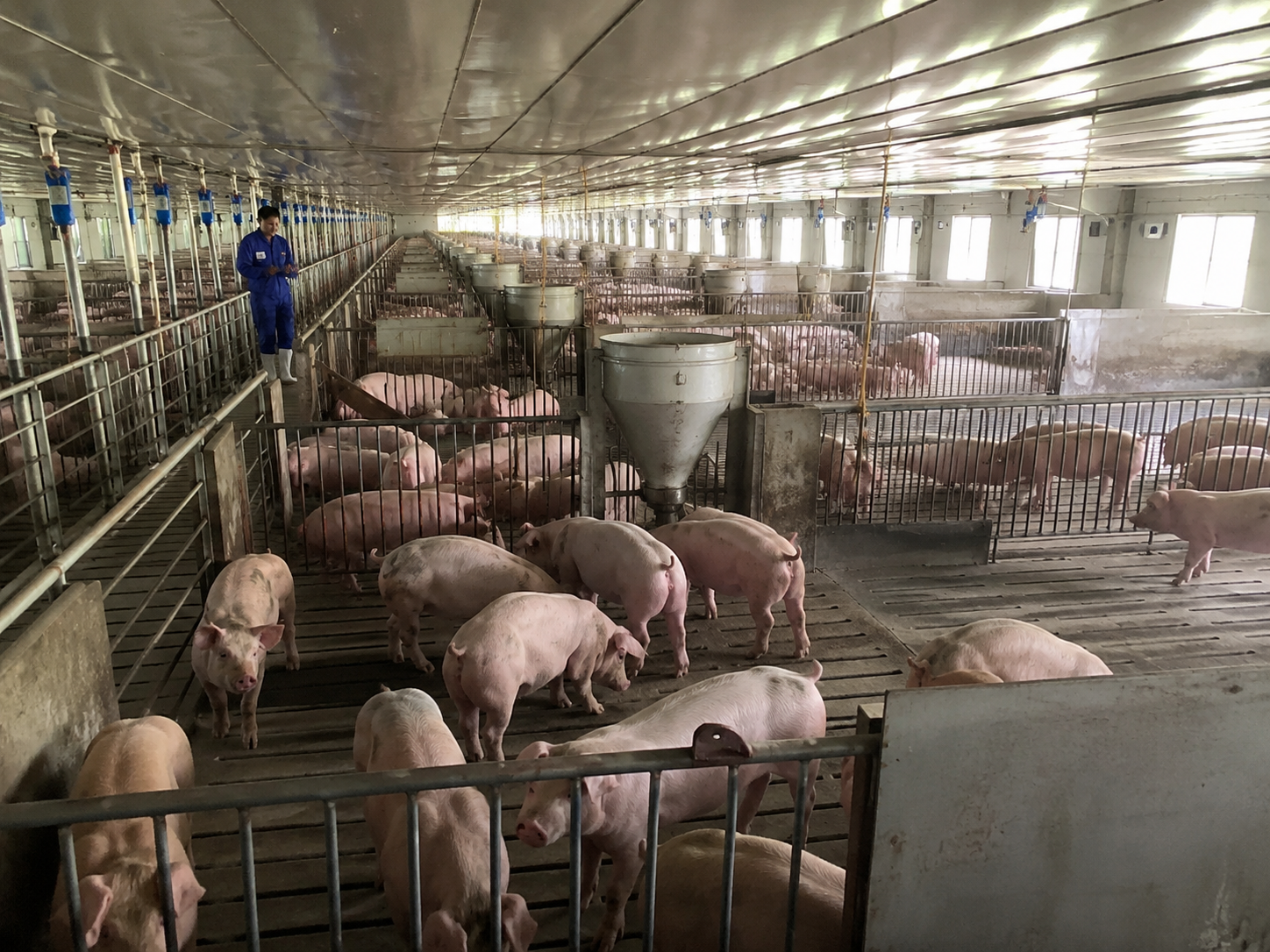
 Failure to Thrive and Morning Coughs: An In-Depth Review of a Finisher Pig Mycoplasma CaseSep 24, 2026Porcine Mycoplasma Pneumonia (PMP), also known as swine enzootic pneumonia, remains one of the most prevalent and economically destructive chronic respiratory diseases in global commercial pig farming. Unlike acute swine diseases with obvious high fever and acute death symptoms, mycoplasma infection in finisher pigs often presents with atypical, insidious clinical signs, leading to long-term misjudgment and delayed intervention by farmers. The most typical hidden symptoms include normal feed intake but stunted growth and persistent early-morning dry cough, which cause continuous reduction of feed conversion rate, prolonged fattening cycle, and significant loss of breeding profits.View details
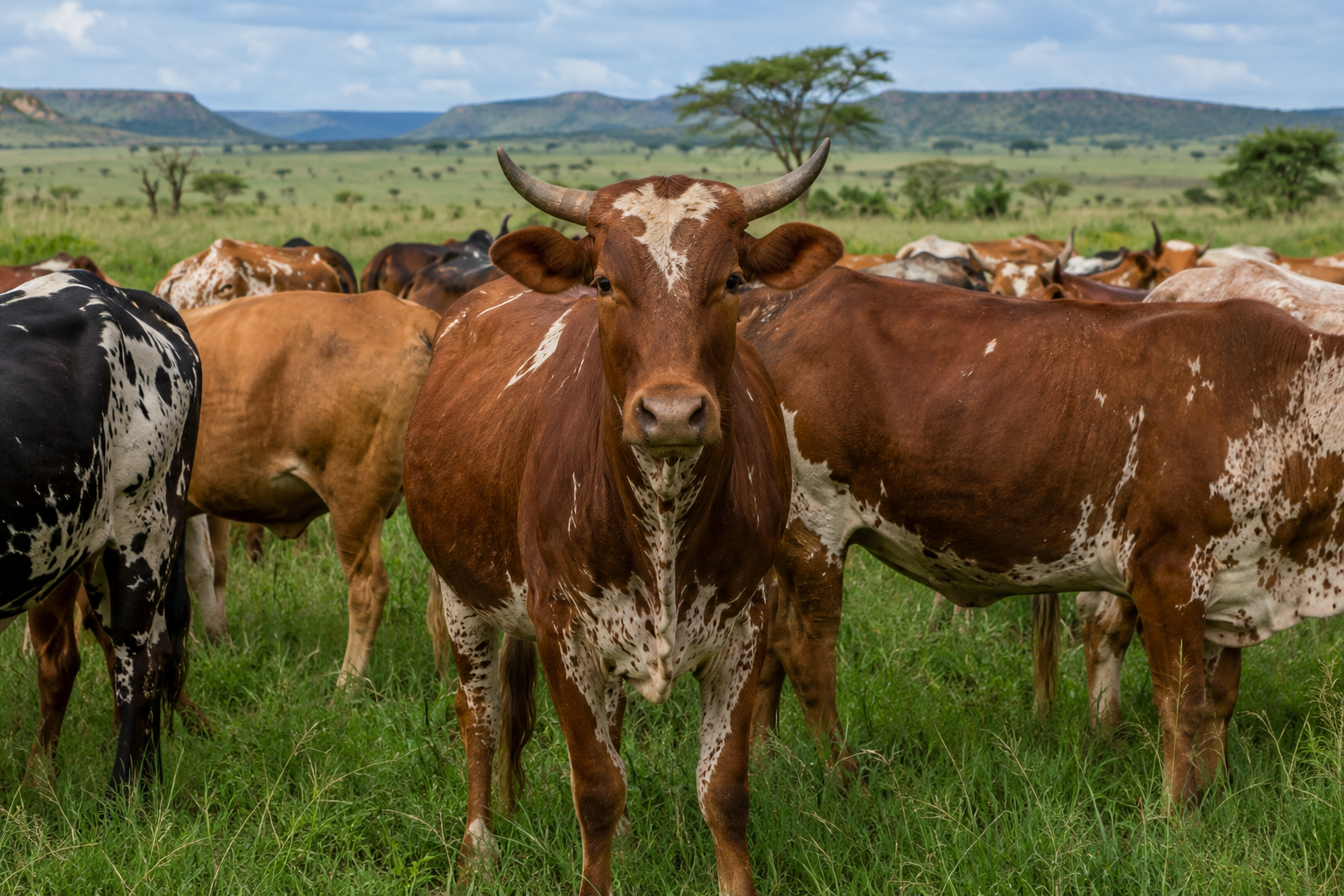
 Poor Beef Cattle Growth and High Losses? Complete Housing-Feeding-Disease Management That Actually WorksSep 11, 2026Cattle have never been more expensive to buy, and margins have never been thinner. Feedlot breakevens in North America are surging toward $250 per head in 2026, and global beef production is projected to fall another 4% or more per year through 2027. In this environment, an underperforming herd is no longer merely unprofitable — it is financially dangerous. Yet where beef cattle growth performance lags and losses climb, the cause is rarely genetics. It is a gap in the three pillars that determine every pound of gain: housing, feeding, and disease prevention. Here is what a complete, field-ready program looks like — and how Vibov natural nutrition fits into each pillar.View details
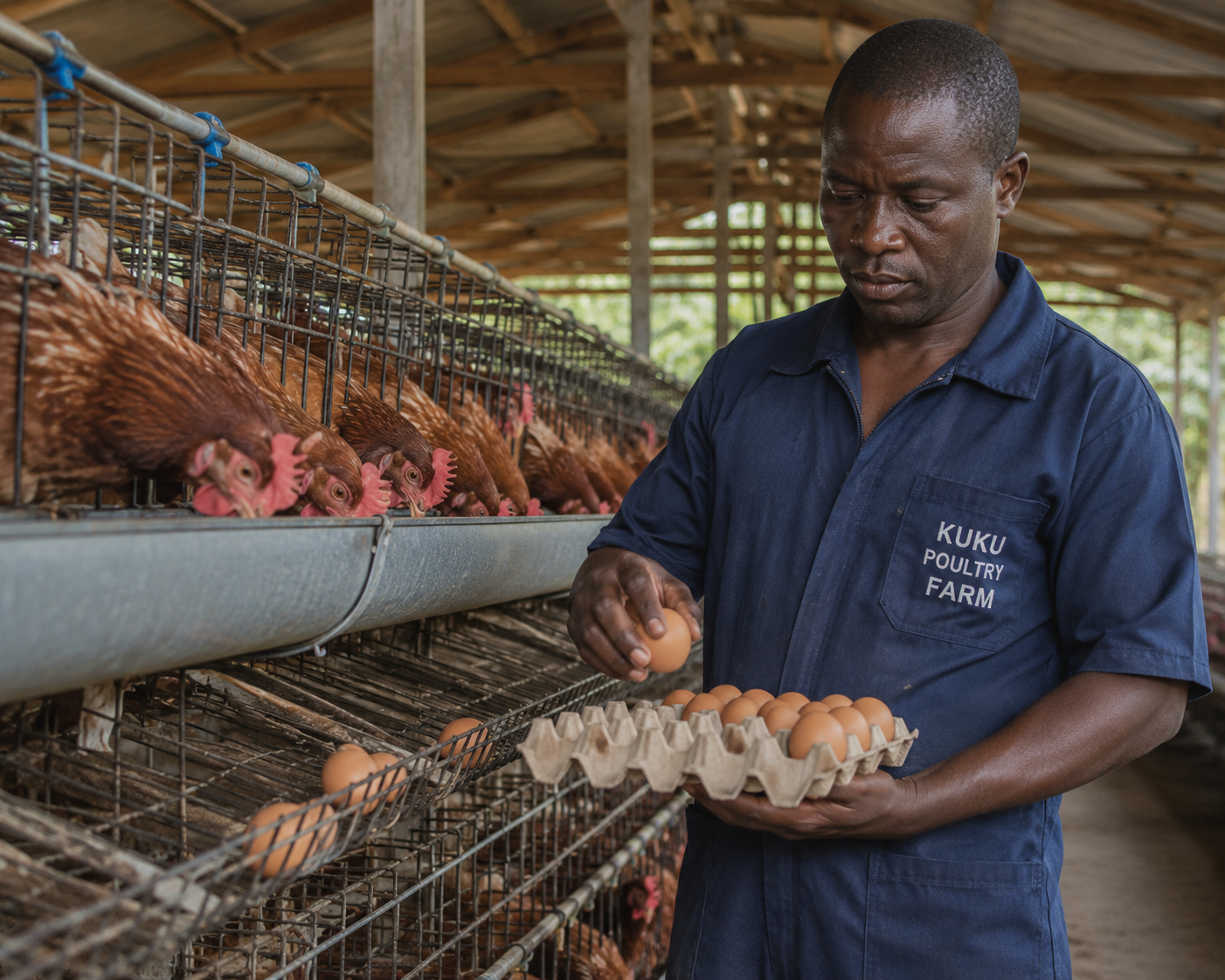
 Damaged Intestines & Poor Nutrient Absorption: Autumn Nutrition Supplement Stabilizes Layer Egg ProductionAug 11, 2026As temperatures gradually drop and seasons transition to autumn, commercial layer farms across North America, Southeast Asia and tropical Africa enter a high-risk period of intestinal dysfunction and fluctuating egg production. Seasonal temperature differences, autumn dryness, residual summer heat stress and alternating cold winds easily cause layer intestinal tract damage, resulting in poor nutrient absorption, low feed utilization and continuous egg production instability.View details
- Why is it essential to "nurture gut health" in chicken flocks during the summer?Jul 30, 2026Learn why maintaining gut health in poultry is essential during hot weather. Discover how VIBOV poultry feed additives help improve digestion, immunity, feed efficiency, and production performance during summer heat stress.View details
- Persistent Summer Heat Wave: Prevent Severe Heat Stress Damage in African & North American Waterfowl FarmsJul 09, 2026With global summer temperatures continuing to break historical records, long-lasting extreme high temperature weather has swept across North America and tropical Africa, triggering widespread waterfowl heat stress damage on commercial duck, goose and aquatic poultry farms. Breeders in the United States, Canada, Nigeria, Kenya, South Africa and Ghana are facing severe seasonal breeding challenges: flocks suffer from rapid panting, lethargy, reduced feed intake, dropped egg production and rising mortality rates.View details
- Summer Heatwave Hits Africa: How to Protect Cattle Herds From Severe Heat StressJun 29, 2026Every summer, sustained extreme high temperatures and sweltering humidity sweep across Sub-Saharan Africa, East Africa, Southern Africa and West African tropical pastoral zones, triggering widespread cattle heat stress outbreaks in major livestock-raising countries including Kenya, Tanzania, South Africa, Nigeria, Uganda and Zambia. Unlike temperate regions with mild summer climates, African tropical regions feature long-term high temperature above 32℃, stuffy barn ventilation and intense solar radiation, making beef cattle and dairy cattle extremely vulnerable to thermal damage.View details
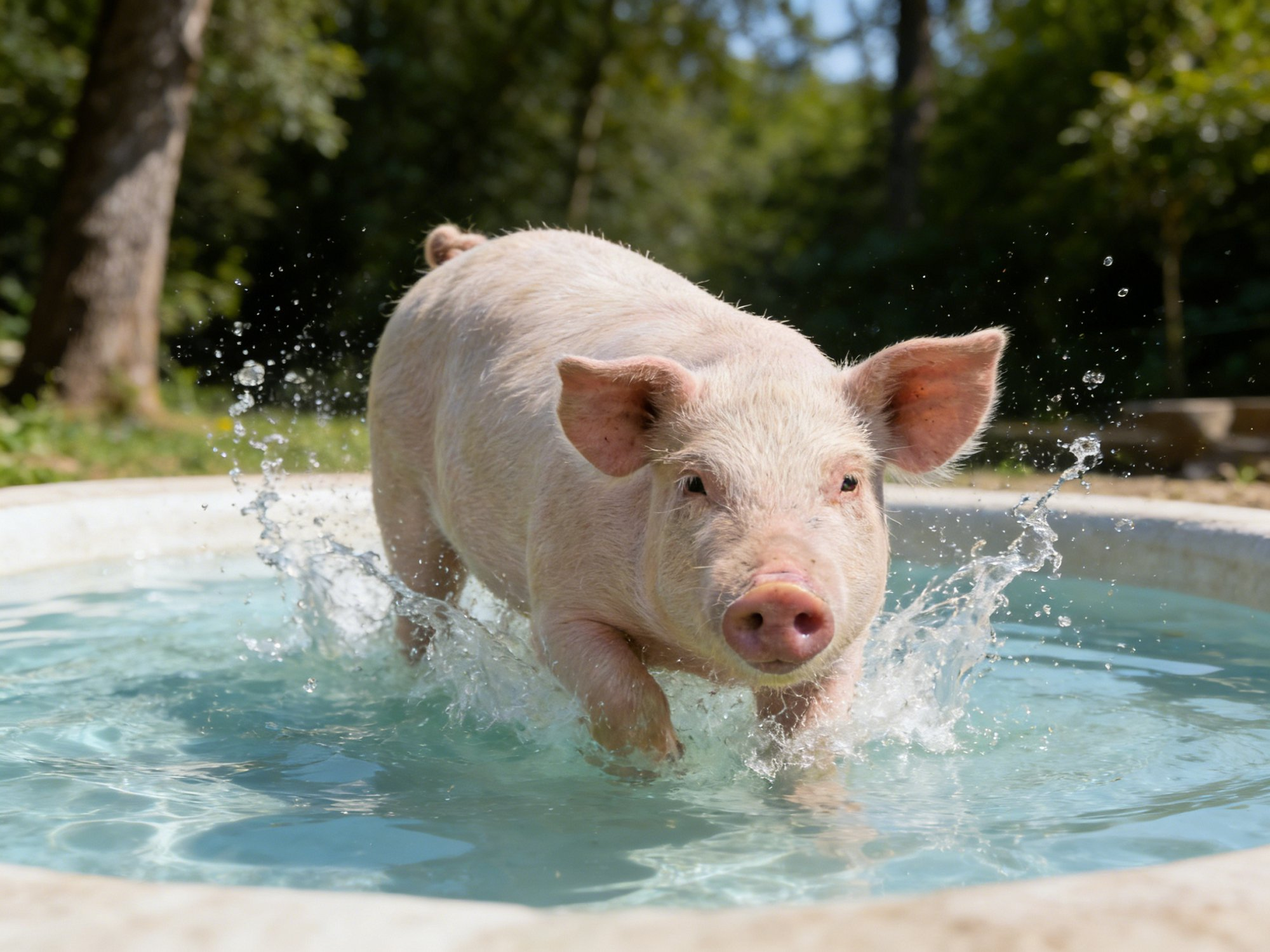
- Summer heatwave hits pig farms; various measures to alleviate stress.Jun 11, 2026Global swine heat stress has evolved into a seasonal persistent threat for commercial pig farms across North America, Southeast Asia, Southern Europe, Australia and Latin America in 2026, with sustained high ambient temperature and high humidity breaking annual meteorological records in major pig-raising regions. Veterinary field data and global pig breeding monitoring reports confirm thatlate-gestation sows (85-114 days gestation) and market-weight finishing pigs become the core vulnerable groups suffering irreversible production losses, reproductive failure and mortality risks. As a professional global animal nutrition and anti-stress solution brand,VIBOV releases targeted nutritional intervention products to solve swine high-temperature damage, stabilize farm economic benefits, and fill the technical gap of non-physical cooling heat relief for intensive pig barns worldwide.View details
- High-Level Strategies for Managing Porcine Epidemic Diarrhea Virus (PEDV) Maternal Antibodies in Modern Pig ProductionJun 04, 2026Porcine Epidemic Diarrhea (PED), caused by Porcine Epidemic Diarrhea Virus (PEDV), remains one of the most economically significant enteric diseases in the global swine industry. Neonatal piglet diarrhea, dehydration, and high mortality continue to challenge both intensive and small-to-medium pig farms across Asia, Europe, Africa, and the Americas.View details
 Summer high temperatures raise concerns about mold contamination affecting production capacity.May 27, 2026In modern commercial poultry farming, recurrent poultry diarrhea and feed passage has always been a stubborn problem plaguing global breeders. Most farmers tend to attribute loose stools and incomplete feed digestion to simple enteritis or bacterial infection, relying on antibiotics for repeated treatment.View details



{item.title}
{item.add_time}
{item.description}
View details