
------News Center
I. The Core Danger of Fungal Enteritis in Chickens: Insidiously Undermining Poultry Farming Profitability
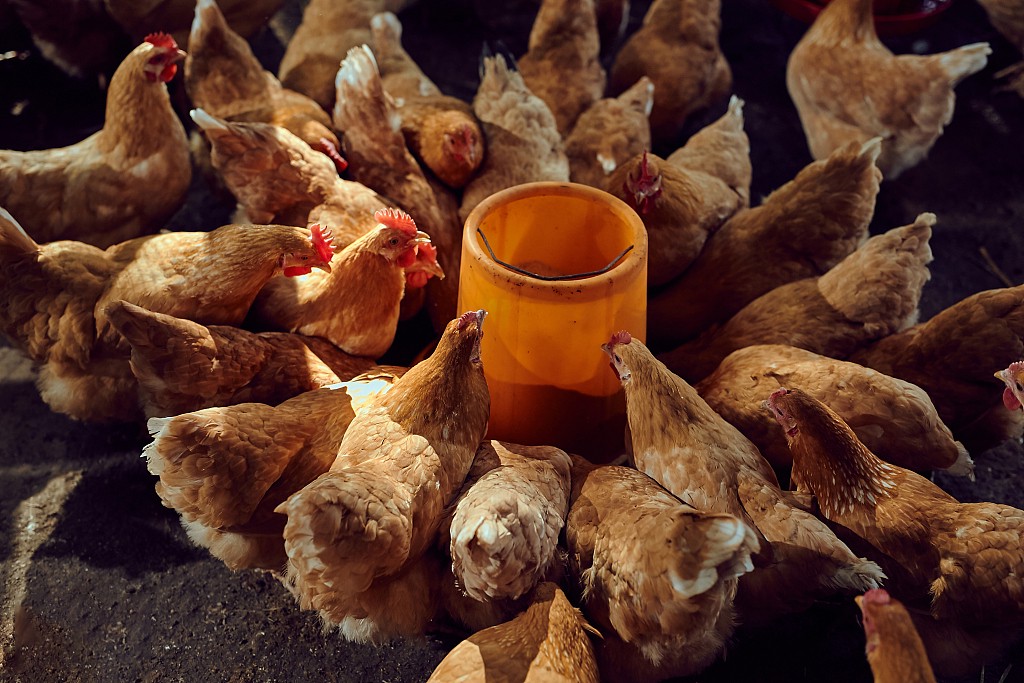
Avian mycotic enteritis is primarily triggered by pathogenic fungi—such as *Candida* and *Aspergillus*—as well as mycotoxins like aflatoxin and vomitoxin. Distinct from ordinary intestinal inflammation, this condition poses a threat throughout the entire poultry rearing cycle; it is particularly lethal to chicks and tends to inflict persistent damage, thereby significantly eroding farming profits.
In chicks, mycotic enteritis presents with acute onset and a high mortality rate, potentially reaching 40% to 60%. Infected chicks rapidly exhibit symptoms of diarrhea and dehydration; even if they survive, they suffer from stunted growth and uneven development—becoming "runts"—and lose their economic value for farming. In growing chickens, infection leads to reduced feed intake, impaired digestion and absorption, and growth stagnation; feed conversion efficiency drops significantly, extending the time required to reach market weight and thereby increasing production costs. In laying hens, the disease causes a precipitous decline in egg production rates—dropping by 20% to 40%—while eggshells become thinner and more brittle, resulting in an increased incidence of soft-shelled and deformed eggs. Furthermore, the laying cycle is shortened, and some hens are prematurely culled due to physical debilitation.
Furthermore, mycotoxins inflict persistent damage upon the internal organs—such as the liver and kidneys—of the flock, thereby compromising the birds' immune systems. This renders the flock more susceptible to secondary infections—including *E. coli* disease and coccidiosis—creating a scenario of superimposed multiple diseases that further escalates medication costs. Concurrently, mycotoxin residues compromise the quality of eggs and poultry meat, hindering product export potential and market competitiveness, thereby inflicting a dual loss upon poultry farmers.
II. Clinical Symptoms of Fungal Enteritis in Chickens: Accurate Identification to Avoid Misdiagnosis and Improper Treatment
Mycotic enteritis in chickens is classified into two types: acute and chronic. Its initial symptoms closely resemble those of common bacterial enteritis, making misdiagnosis highly likely. Poultry farmers must therefore accurately identify the condition by recognizing its characteristic symptoms, thereby seizing the critical window for treatment and preventing the disease from spreading.
1. Acute Form (Most commonly observed in chicks; characterized by sudden onset)
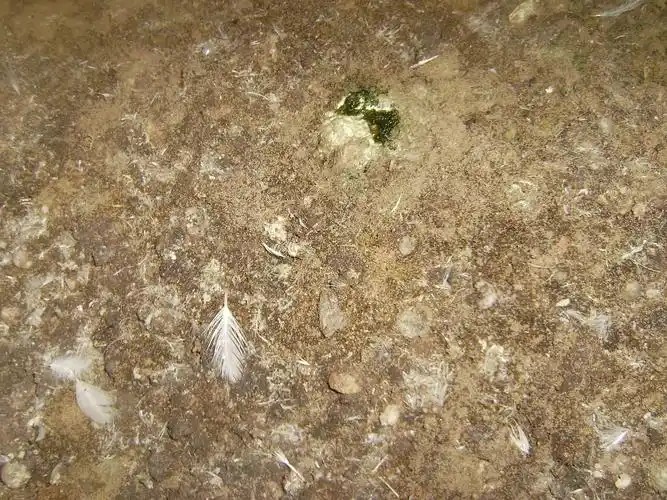
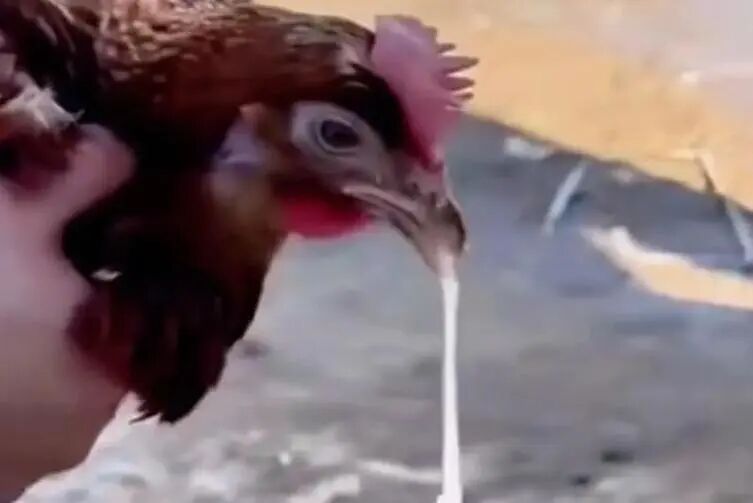
Chicks typically develop symptoms within 1 to 2 days of infection. They exhibit extreme lethargy, ruffled and disheveled plumage, and a posture characterized by a lowered head and retracted neck; they refuse to eat but show an increased desire to drink water. The most characteristic symptom is persistent, watery diarrhea; the feces appear yellow, yellowish-green, or grayish-white, contain undigested feed residues, and emit a rancid, foul odor. Some chicks present with crop impaction and distension; manual compression of the crop causes a sour-smelling fluid to flow out. White pseudomembranes may appear on the oral mucosa. In the terminal stages, the chicks undergo rapid dehydration and emaciation, eventually succumbing to exhaustion and death.
2. Chronic Form (Most commonly observed in growing pullets and laying hens; characterized by a prolonged clinical course)
Affected birds appear listless, exhibit reduced feed intake, and experience gradual weight loss; their plumage becomes rough and lacks luster. Diarrhea symptoms wax and wane, with droppings appearing loose, soft, and paste-like, often mixed with mucus or streaks of blood. Chronic diarrhea leads to anemia within the flock and pallor of the combs. In laying hens, egg production declines continuously, and eggshell quality deteriorates. Some affected birds develop ingluvitis (crop inflammation) or oral ulcers; in severe cases, neurological symptoms—such as respiratory distress and ataxia—may manifest. Ultimately, the birds succumb to death due to physical debilitation or secondary infections.
3. Symptoms of Latent Infection
In some flocks, infection presents no obvious symptoms of diarrhea; instead, it manifests merely as reduced feed intake, stunted growth, and a slight decline in egg production. However, these birds continue to excrete feces containing mold spores, thereby acting as a source of infection that silently spreads the disease to healthy flocks, leading to recurrent outbreaks that are difficult to completely eradicate.
III. Scientific Prevention of Fungal Enteritis in Chickens: Source Control to Eliminate Disease Risks
The core strategy for the prevention and control of fungal enteritis in chickens lies in "prioritizing prevention and blocking transmission at the source." By taking into account the underlying causes of the disease—specifically moldy feed, humid environments, and improper management—VIBOV has formulated a set of standardized preventive measures designed to assist poultry farmers in reducing the incidence of the disease at its very roots.
1. Strictly Control Feed Quality to Prevent Mold Growth
Select high-quality, mold-free feed ingredients, and avoid using corn, soybean meal, or other raw materials that are damp, caked, or spoiled. Implement rigorous feed storage management by keeping the warehouse well-ventilated, dry, and cool; maintain storage temperatures below 20°C and humidity levels under 60%. Stock feed in small batches to prevent mold proliferation caused by prolonged storage. Regularly clean feed troughs and drinking lines to prevent mold growth resulting from feed residues or stagnant water; promptly remove any leftover feed after each feeding to eliminate potential routes of mold ingestion.
2. Optimize the Poultry House Environment to Minimize Mold Survival
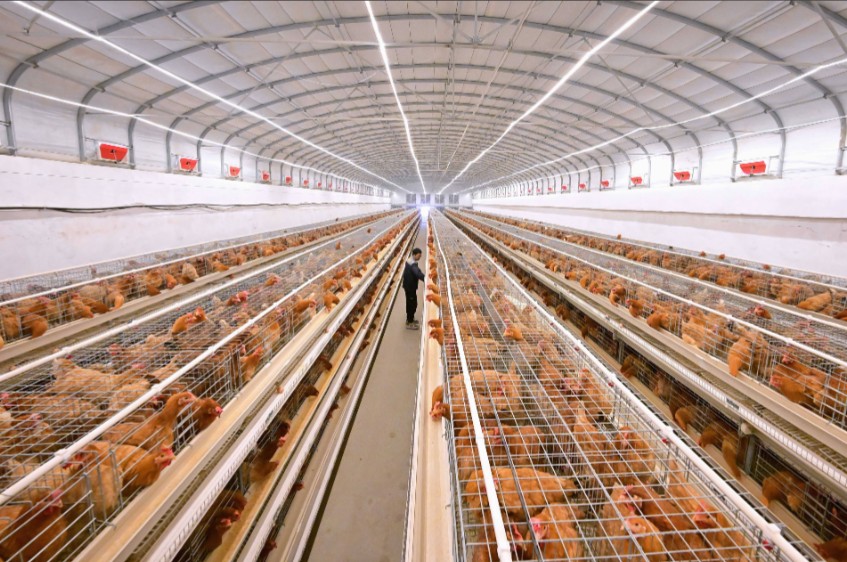
Ensure the poultry house is well-ventilated, promptly expelling harmful gases and moisture, and avoid conditions of high temperature and high humidity (particularly during the summer and rainy seasons). Promptly remove chicken manure and bedding material, and regularly conduct comprehensive disinfection of the poultry house, cages, and feeding equipment; utilize highly effective disinfectants capable of eliminating mold spores, performing this disinfection 2–3 times per week. Maintain appropriate stocking density to prevent overcrowding, thereby reducing stress levels and enhancing the flock's natural resistance.
3. Strategic Supplementation with Health Products to Strengthen Intestinal Protection
During routine feeding, regularly incorporate VIBOV Mycotoxin Binder for Chickens and intestinal health supplements into the feed. These products effectively adsorb and degrade various mycotoxins—such as aflatoxins and vomitoxins—present in the feed, thereby preventing toxins from entering the chickens' bodies and damaging their internal organs. Simultaneously, they repair damaged intestinal mucosa, regulate the balance of intestinal flora, and enhance the flock's intestinal immunity, thereby preventing mycotoxic enteritis at its source. This regimen is particularly suitable for use during the initial feeding stage of chicks and for maintaining the health of laying hens.
IV. Treatment Protocol for Fungal Enteritis in Chickens: VIBOV Exclusive Products—Highly Effective Disease Control and Loss Prevention
Addressing the critical challenge of stubborn, difficult-to-treat fungal enteritis in chickens—a condition that ordinary medications often fail to cure completely—VIBOV has dedicated itself to the research and development of specialized poultry veterinary medicines. We have introduced a proprietary veterinary drug specifically formulated for chicken fungal enteritis, featuring a compound formula that simultaneously delivers four key benefits: fungal inhibition, detoxification, diarrhea control, and intestinal repair. This solution rapidly alleviates symptoms, reduces mortality rates, and facilitates the swift recovery of affected birds.
Core Advantages of VIBOV for Fungal Enteritis in Chickens:
1. Potent Fungal Inhibition and Detoxification: Formulated with targeted antifungal agents, it rapidly inhibits the growth and proliferation of pathogenic fungi—such as *Candida* and *Aspergillus*—while efficiently breaking down mycotoxins within the body. This minimizes toxin-induced damage to the intestines and liver, thereby controlling the progression of the disease at its very source.
2. Rapid Diarrhea Control and Repair: Possessing dual anti-diarrheal and hemostatic properties, it rapidly alleviates symptoms of stubborn diarrhea in poultry flocks, repairs damaged intestinal mucosa, restores intestinal digestive and absorptive functions, and minimizes nutrient loss resulting from undigested feed and diarrhea.
3. Enhance Bodily Resistance: Enriched with nutritional components such as complex vitamins and amino acids, this product replenishes the nutrients required by ailing chickens, boosts their immune system, reduces the risk of secondary infections, and facilitates their rapid physical recovery.
4. Safe and Residue-Free: The product complies with veterinary drug safety standards and export testing requirements, exhibiting no drug resistance or residues. It is suitable for use across all stages—including chicks, growing chickens, and laying hens—without negatively impacting flock growth and development, egg production performance, or product quality.
5. Convenient Operation: Capable of both feed mixing and watering, it is adaptable to various farming models—ranging from large-scale commercial poultry farms to small-scale backyard operations—and is simple to use, requiring no additional labor costs.
Clinical Protocol: Upon identifying affected birds, immediately isolate them. Administer VIBOV—a specialized veterinary medication for avian mycotic enteritis—to the entire flock. For enhanced mold inhibition, detoxification, and intestinal repair, use VIBOV in combination with the designated mold detoxifier and intestinal health supplement. During the treatment period, switch to fresh, mold-free feed; intensify ventilation and disinfection within the poultry house; and provide electrolyte-multivitamin supplements to alleviate stress. Continue this regimen for 3 to 5 consecutive days. Extensive clinical trials conducted across numerous poultry farms have demonstrated that, following the use of VIBOV products, symptoms of diarrhea in affected birds show marked improvement within 24 hours. The cure rate exceeds 95%, chick mortality rates drop to below 5%, and egg production in laying hens gradually recovers, thereby minimizing economic losses for the farm.
Although fungal enteritis in chickens is a prevalent and persistent condition, risks can be effectively mitigated—and poultry farming profitability safeguarded—through rigorous source control, scientific prevention, and targeted treatment. As a specialized enterprise dedicated to the R&D and export of veterinary pharmaceuticals and feed additives, VIBOV remains steadfast in its philosophy of "protecting livestock and poultry health to empower efficient farming." By deeply focusing on the field of poultry intestinal health, we continuously develop highly effective and safe products for disease prevention and control, providing comprehensive, one-stop solutions for poultry farmers everywhere.