
------News Center
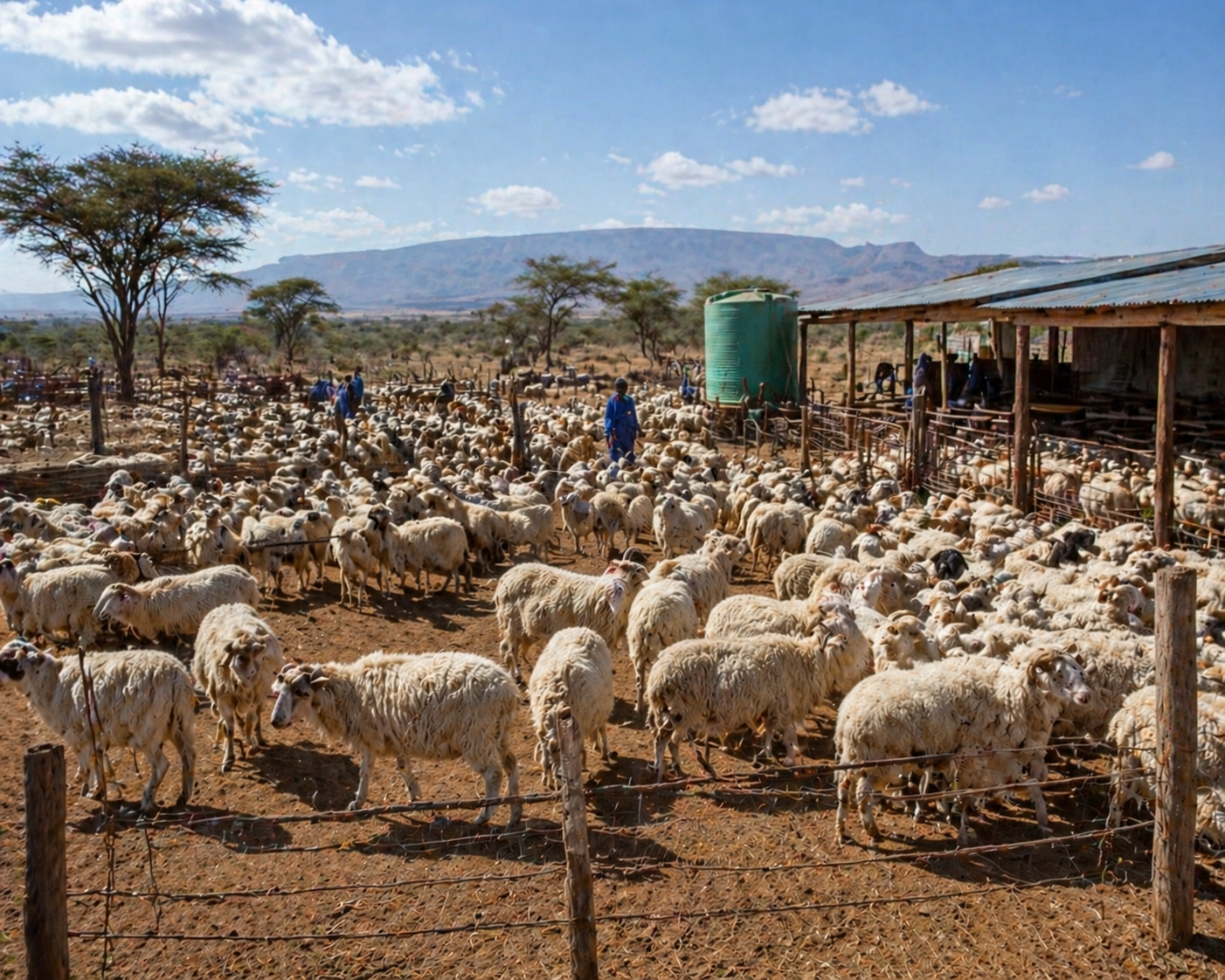
In the competitive landscape of modern livestock farming, animal health is the cornerstone of profitability and sustainability. However, shepherds and commercial ranch managers often encounter a perplexing and frustrating behavioral disorder within their flocks: Sheep Wool Eating Disease. This condition, where sheep compulsively chew or consume the wool of their pen-mates or even their own, is more than just a "bad habit." It is a loud signal from the animal’s body that something is fundamentally wrong.
At Vibov, we specialize in bridge-building between biotechnology and traditional husbandry. We understand that sheep health is a complex puzzle of genetics, environment, and, most importantly, precision nutrition. In this comprehensive guide, we will explore the intricate causes of Wool Pulling, identify the clinical signs, and demonstrate how the Vibov range of Mineral Supplements provides a definitive cure for this costly disorder
I. What is Sheep Wool Eating Disease? (The Pathology of Pica)
Sheep Wool Eating Disease, scientifically categorized under the broader umbrella of Pica in Sheep, is a depraved appetite characterized by the craving and consumption of non-food substances. When sheep begin to pull and eat wool, they are often attempting to compensate for a physiological void.
This behavior is particularly prevalent in intensive indoor farming systems and during periods of extreme environmental stress. Left unchecked, Wool Eating leads to "wool-less" patches on the animals, increased susceptibility to cold, skin infections, and the formation of wool balls (bezoars) in the rumen. These bezoars can cause fatal intestinal blockages, making this a critical issue for Livestock Management.
II. The Root Causes: Why Do Sheep Eat Wool?
Identifying the "why" is the first step toward a solution. research indicates that the etiology of Sheep Wool Eating Disease is multi-factorial, primarily involving nutritional gaps and environmental triggers.
1. Nutritional Deficiency: The Primary Culprit
The most common cause of Wool Pulling is a severe Nutritional Deficiency. Wool is primarily composed of keratin, a protein rich in sulfur-containing amino acids. When a sheep’s diet lacks specific minerals, the animal instinctively seeks them out in the most accessible protein source: its neighbor's coat.
- Sulfur and Copper: These are essential for the cross-linking of keratin fibers. A deficiency leads to brittle wool and an intense craving.
- Zinc: Vital for skin integrity and hair follicle health. Without adequate Zinc, sheep experience skin irritation, which can trigger chewing behavior.
- Sodium (Salt): A general salt craving often manifests as licking or chewing objects, including wool.
2. Lack of Dietary Fiber
Sheep are ruminants designed to process large volumes of coarse forage. When the diet is too "hot" (high in concentrates and low in long-stem fiber), the rumen becomes acidic, and the animal lacks the physical satisfaction of chewing. This "oral dissatisfaction" often translates into .
3. Environmental Stress and Boredom
In overcrowded or poorly ventilated pens, sheep experience psychological stress. Much like humans bite their nails when anxious, sheep may develop Wool Pulling as a stereotypical behavior. Lack of environmental stimulation is a major contributor to Sheep Health issues in modern facilities.
4. Parasitic Infestation
External parasites like lice or mites cause intense itching. As sheep bite at their wool to relieve the irritation, they may accidentally ingest it, eventually developing a taste for the fiber and turning it into a compulsive habit.
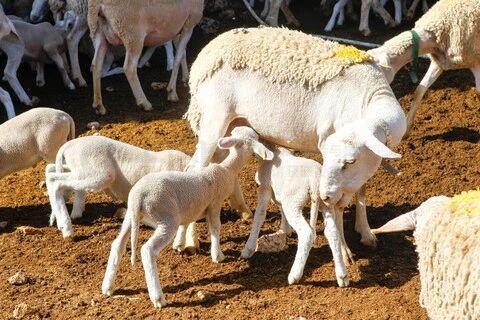
III. Recognizing the Symptoms: Identifying the Signs
Early detection is vital for successful Livestock Management. Farmers should be vigilant for the following clinical signs:
- Irregular Bald Patches: Unlike the clean hair loss seen in some diseases, Wool Eating results in ragged, uneven patches where the wool has been physically pulled out.
- Mouth Staining: Sheep involved in pulling wool may have fibers stuck in their teeth or stained wool around their muzzles.
- Thinning and Weight Loss: As the sheep consumes wool, the resulting wool balls in the stomach reduce its capacity for real food, leading to a decline in body condition.
Behavioral Red Flags: Observing the flock during quiet hours may reveal "dominant" sheep actively grooming or plucking wool from "submissive" individuals.
IV. The Vibov Solution: Precision Nutrition for Wool Integrity
At Vibov, we don’t believe in "one-size-fits-all" remedies. Our approach to treating Sheep Wool Eating Disease is rooted in biochemical precision. We have engineered a series of Vibov Supplements that target the cellular causes of depraved appetites.
1. Vibov Mineral-Max: The Ultimate Nutritional Anchor
Our flagship product, Vibov Mineral-Max, is formulated with highly bioavailable chelated minerals. Unlike standard inorganic salts, our chelated Zinc, Copper, and Manganese are absorbed 40% more effectively by the sheep’s intestinal lining. By rapidly restoring the mineral balance, Vibov silences the physiological "hunger" that drives Wool Pulling.
2. Sulfur-Core Enrichment
Recognizing the role of sulfur in keratin synthesis, Vibov has developed a unique organic sulfur complex. This supplement doesn't just stop the eating behavior; it stimulates the rapid regrowth of high-quality, high-luster wool, ensuring your animals return to peak market value quickly.
3. Rumen-Buffer Technology
To address the fiber-deficiency aspect of Sheep Wool Eating, Vibov incorporates natural alkalizing agents and yeast cultures into our feed additives. This stabilizes the rumen pH, reduces metabolic stress, and provides the "metabolic comfort" necessary to discourage behavioral vices.
4. The Vibov Palatability Factor
Correcting a Nutritional Deficiency only works if the animal consumes the supplement. All Vibov products are tested for palatability, ensuring that even the most stressed or picky sheep will accept the treatment readily.
V. Prevention and Holistic Management
While Vibov Supplements are a powerful tool, Animal Nutrition must be paired with sound management. Here is the Vibov blueprint for a wool-eating-free farm:
- Optimize Stocking Density: Reduce stress by ensuring every sheep has adequate space to move and lie down without being stepped on.
- Balance the Roughage: Ensure that at least 40% of the dry matter intake comes from high-quality long-stem hay to keep the rumen active and the mouth busy.
- Regular Deworming: Use a rigorous parasite control program to eliminate the "itch-scratch-chew" cycle.
- Provide Lick Blocks: Place Vibov Mineral Lick Blocks at multiple locations in the pen to allow for free-choice mineral supplementation.
VI. The Economic Impact: Why Invest in Vibov?
For the commercial producer, Sheep Wool Eating Disease is a direct drain on the bottom line. It results in:
- Lower Wool Yields: Damaged fleeces are often unsellable or downgraded.
- Higher Mortality: Internal wool balls are a silent killer that can wipe out your best-performing lambs.
- Increased Feed Costs: Sheep with compromised digestion require more feed to maintain weight.
By integrating Vibov into your Animal Nutrition strategy, you are not just buying a supplement; you are investing in an insurance policy for your flock's health and your farm’s future.
VII. Conclusion: Restore Balance with Vibov
Sheep Wool Eating Disease is a complex challenge, but with the right nutritional intervention, it is entirely preventable and curable. Through the use of Vibov's scientifically formulated Mineral Supplements, you can address the hidden Nutritional Deficiency that triggers this behavior.
Don't wait for bald patches to appear in your flock. Be proactive in your Livestock Management. Trust Vibov to provide the precision minerals and expert guidance needed to keep your sheep healthy, your wool thick, and your farm profitable.
Discover the Vibov difference today—because every fiber of your flock’s health matters.