
------News Center
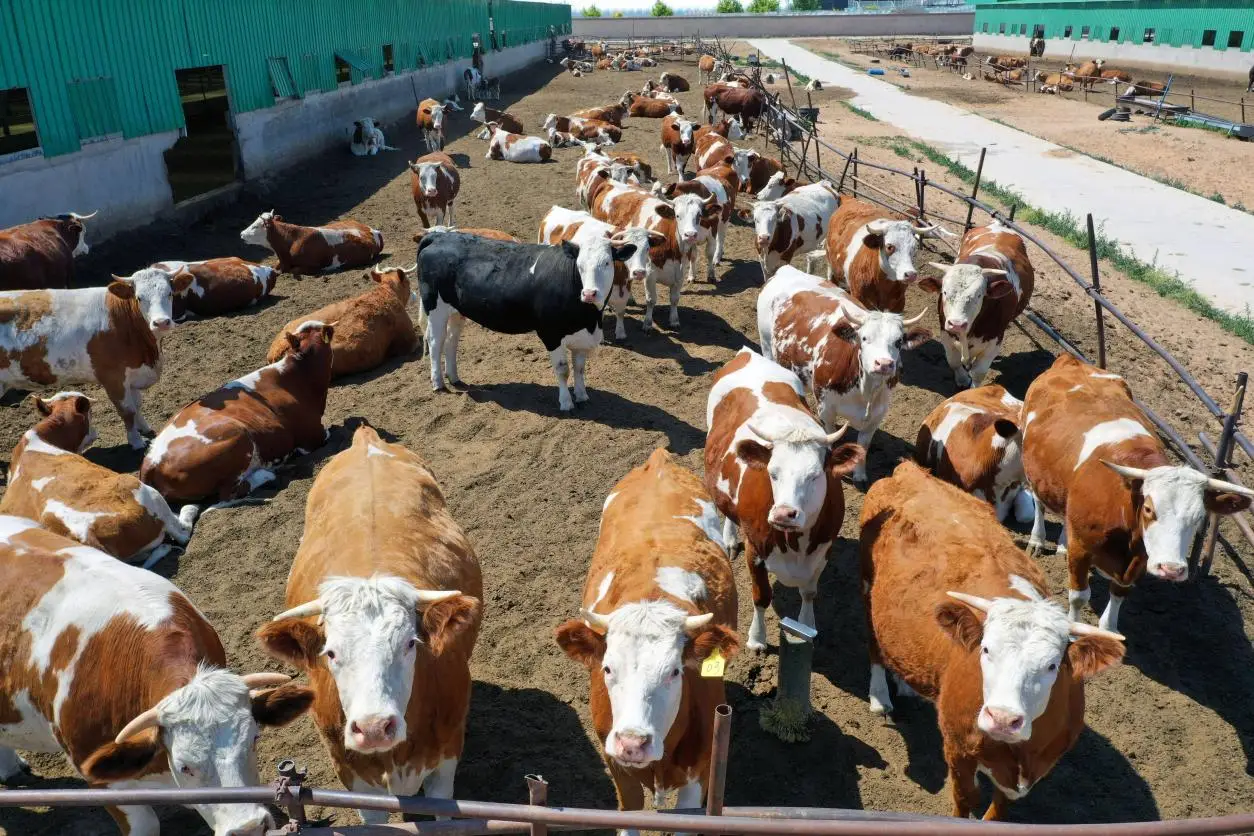
In the rearing of beef and dairy cattle, forestomach atony (commonly referred to as "spleen and stomach weakness") is a highly prevalent digestive disorder. It is triggered by reduced excitability of the forestomach nerves and diminished muscular contractility, leading to sluggish movement of rumen contents and a disruption of the microbial flora; this, in turn, results in digestive impairments and systemic functional disturbances. This disease is most frequently observed in stall-fed herds and peaks during seasons characterized by a scarcity of roughage—specifically early spring, late autumn, and late winter. The onset of the disease is often insidious, and its clinical course is protracted; if not properly controlled, it can lead to stunted growth, reduced milk yield, physical debilitation, and even culling or death, thereby severely eroding farming profitability.
As an enterprise dedicated to the R&D and production of veterinary medicines and feed additives, Vibov specializes in the field of bovine and ovine health. We have comprehensively analyzed the etiology, clinical symptoms, scientific prevention strategies, and highly effective treatment methods for bovine forestomach atony (gastric weakness). In response, we have introduced a range of specialized conditioning and therapeutic products, empowering livestock farmers to address this condition with precision and safeguard their farming yields.
I. Core Pathogenic Causes of Bovine Forestomach Atony (Spleen and Stomach Deficiency)
Bovine forestomach atony (spleen and stomach deficiency) is primarily classified into two categories: primary and secondary. The core precipitating factors center on four major aspects: improper feeding and management, nutritional imbalance, stress stimuli, and secondary infections; among these, improper feeding and management constitutes the primary cause.
Primary etiologies are predominantly rooted in improper feeding practices: the prolonged feeding of coarse, hard, and poor-quality roughage—such as soybean stalks or chaff—or, conversely, the prolonged feeding of overly fine, soft concentrates lacking sufficient physical stimulation, both result in insufficient excitation of forestomach function and a consequent weakening of contractile strength. Furthermore, the feeding of moldy or frozen feed, or sudden changes in feed composition, can overwhelm the forestomach's adaptive capacity, thereby easily triggering digestive disturbances; additionally, insufficient water intake and a lack of physical exercise exacerbate the stasis of rumen contents, thereby precipitating the onset of this disease.
Secondary causes typically stem from other underlying conditions: ailments such as rumen impaction, traumatic reticulitis, and ketosis—as well as certain infectious and parasitic diseases—can all secondarily induce forestomach atony. Furthermore, the chronic misuse of antibiotics leading to an imbalance in intestinal flora, or deficiencies in minerals and vitamins (particularly hypocalcemia), can compromise the animal's immune resistance, precipitate gastric and splenic weakness, and exacerbate the symptoms of forestomach atony. Additionally, stressors such as excessive physical exertion, group transfers, and vaccination procedures can diminish the excitability of the forestomach's nervous system, thereby triggering the onset of this disease.
II. Clinical Symptoms of Bovine Forestomach Atony (Spleen and Stomach Deficiency)
This disease is classified into two types: acute and chronic. Clinically, symptoms center on digestive dysfunction; as these manifestations are easily confused with other gastrointestinal disorders, accurate identification is essential.
Acute Form: Affected cattle exhibit mental depression, with appetite ranging from diminished to completely absent. The muzzle becomes dry, and frequent teeth grinding is observed. Rumination is sluggish—occurring less frequently or ceasing entirely—while eructation decreases and is accompanied by a sour, foul odor. Rumen motility sounds are diminished or absent; upon palpation, the rumen contents may feel either soft or firm and viscous. Mild ruminal bloat is occasionally present. Initially, defecation is delayed, and the feces are dry, hard, and dark-colored; subsequently, diarrhea ensues, characterized by the passage of foul-smelling, brownish-tan, porridge-like liquid stools. Generally, body temperature, heart rate, and respiratory rate remain largely unchanged; however, in the later stages—when secondary acidosis develops—the heart rate accelerates, and respiratory distress becomes apparent.
Chronic Form: This form typically develops as a progression from the acute stage or occurs secondarily to other underlying diseases. Affected cattle exhibit a fluctuating appetite and display signs of pica, frequently licking mineral blocks or consuming soil. Rumen motility remains persistently diminished; the animals become progressively emaciated, their skin appears dry and tight, and their coat becomes rough and unkempt, resulting in a general state of physical weakness. In dairy cows, milk production declines drastically; in beef cattle, growth stagnates, and the feed conversion ratio deteriorates. Fecal consistency alternates between dry and loose; prolonged diarrhea eventually leads to anemia and the inability to rise from a recumbent position. In severe cases, body temperature drops below normal levels, ultimately resulting in death due to physical exhaustion.
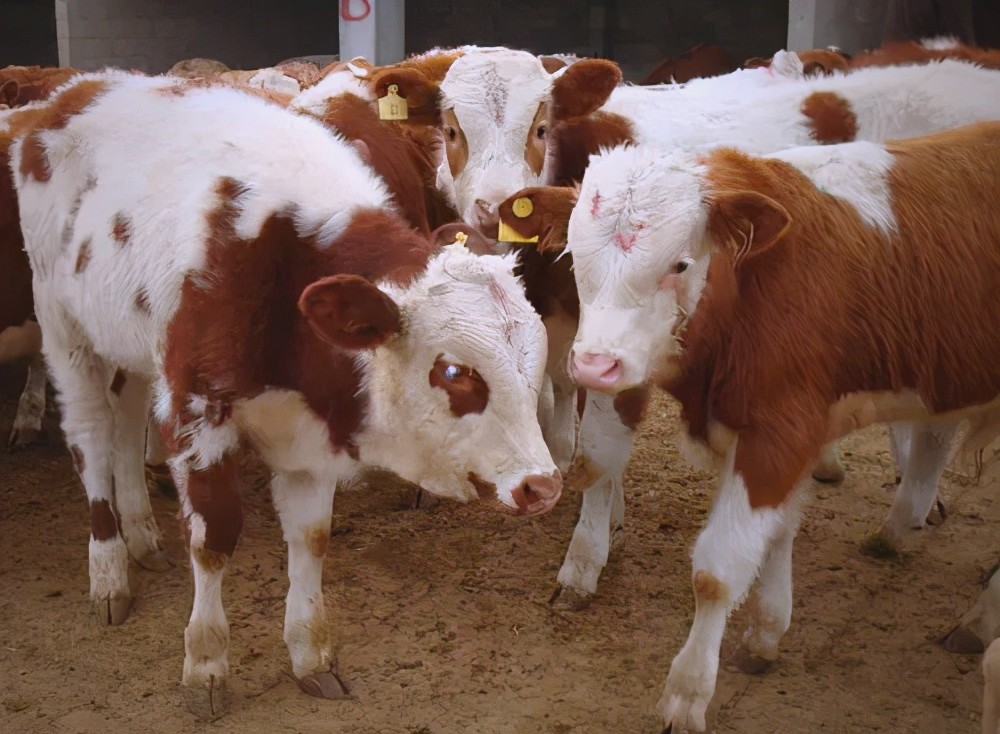
III. Scientific Prevention of Bovine Forestomach Atony (Spleen and Stomach Deficiency)
The core of our prevention and control strategy lies in "integrating rearing practices with disease prevention" and "managing risks at the source." By analyzing the underlying causes of disease and utilizing Vibov's specialized product suite, we effectively reduce the probability of outbreaks at the very root.
Optimize Feeding and Management: Rationally formulate feed mixtures, avoiding the prolonged use of monotonous, coarse, hard, or moldy feed, and prevent abrupt changes in diet. Practice frequent, small feedings to ensure a balanced nutritional intake. Ensure a sufficient supply of clean drinking water, avoiding the consumption of ice-cold water. For stabled cattle, ensure an appropriate amount of daily exercise to enhance forestomach function, while avoiding both overexertion and insufficient physical activity.
Enhanced Nutritional Conditioning: During daily feeding, incorporate Vibov—a specialized gastric and digestive supplement for cattle—to replenish vitamins, minerals, and active probiotics. This regulates the balance of the rumen microbial flora, enhances forestomach contractility, and improves overall gastrointestinal function. By addressing the root causes, it effectively prevents conditions such as spleen-stomach deficiency and forestomach atony; it is particularly well-suited for cattle herds kept in long-term confinement or those with a diet high in concentrate feeds.
Strictly control stress and secondary infections: Minimize stressors such as group transfers and vaccinations; during periods of stress, administer electrolytes and multivitamins to alleviate adverse effects. Regularly disinfect cattle barns and promptly diagnose and treat primary conditions—such as rumen impaction and traumatic reticulitis—to prevent secondary forestomach atony. Utilize antibiotics judiciously to avoid microbial dysbiosis, and, when necessary, supplement with Vibov intestinal health products to safeguard rumen function.
IV. Treatment Methods for Bovine Forestomach Atony (Spleen and Stomach Deficiency)
The guiding principles of treatment are "eliminating the underlying cause, stimulating forestomach activity, regulating the spleen and stomach, and preventing secondary infections." In response to this condition, Vibov has developed a specialized veterinary medication specifically for bovine forestomach atony; when combined with a scientifically formulated treatment regimen, it facilitates highly effective regulation and therapy, thereby preventing disease recurrence.
Core Advantages of Vibov:
1. Dual-action regulation: It simultaneously stimulates forestomach peristalsis—enhancing contractile strength and facilitating the movement of rumen contents—while also strengthening the spleen and replenishing Qi to aid digestion and resolve food stasis, thereby addressing spleen and stomach weakness at its root; it is suitable for both acute and chronic cases of forestomach atony.
2. Rapid onset of action: Within 24 hours of oral administration or drenching, symptoms such as reduced appetite and weak rumination are alleviated; normal rumination and digestive functions are restored within 3–5 days, preventing the condition from becoming chronic.
3. Rumen repair: It replenishes active beneficial bacteria and mucosal repair factors, regulates the internal rumen environment, restores ciliate activity, and reduces the risk of recurrence.
4. Safe and residue-free: Suitable for beef cattle, dairy cattle, and cattle of all age groups; safe for use in pregnant animals, with no adverse effects on production performance or product quality.
Clinical Management Protocol: Initially, the affected cattle should be fasted for 1–2 days while ensuring access to ample drinking water; subsequently, they should be fed small quantities of high-quality hay and easily digestible feed. The entire herd should be administered Vibov—a veterinary medication specifically formulated for bovine forestomach atony—in conjunction with Vibov’s gastric-conditioning and digestive-aid supplement to enhance the therapeutic effect. In cases of secondary acidosis, intravenous administration of sodium bicarbonate should be employed to alleviate symptoms; concurrently, ventilation and disinfection of the cattle housing must be intensified, and nutritional support provided. This regimen should be continued for 3–7 consecutive days. Clinical trials have validated that this protocol achieves a cure rate exceeding 95%, effectively preventing weight loss and the need for culling, while facilitating a rapid recovery of production performance.
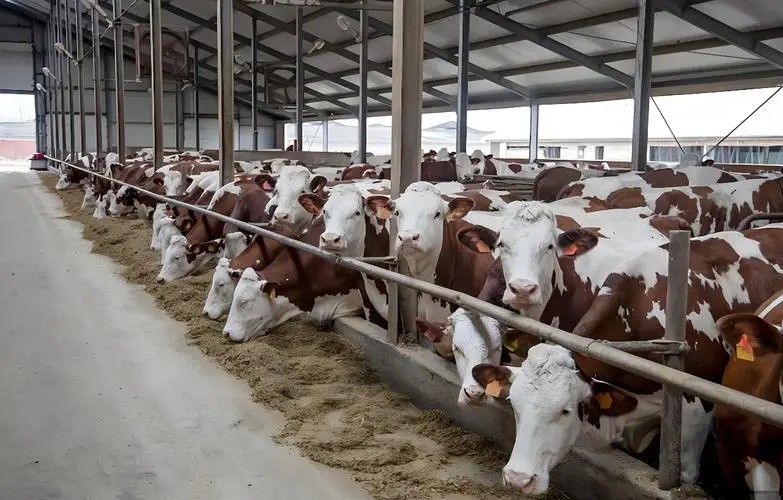
V. Vibov: Focusing on Cattle and Sheep Health, Solving Key Pain Points in Livestock Farming
Although bovine forestomach atony (characterized by gastric weakness) is a prevalent condition, risks can be effectively mitigated by accurately identifying the underlying causes, implementing scientific preventive measures, and administering precise treatments. Upholding the philosophy of "safeguarding livestock health and empowering efficient farming," Vibov has dedicated itself to the field of bovine forestomach atony prevention and control. The specialized veterinary medicines and gastric-fortifying additives it has introduced have earned widespread recognition among livestock farmers for their exceptional efficacy, safety, and convenience. Moving forward, Vibov will continue to iterate and refine its product formulations, providing comprehensive, one-stop solutions for disease prevention and control to help farmers minimize losses, stabilize production, and increase their income.