
------News Center
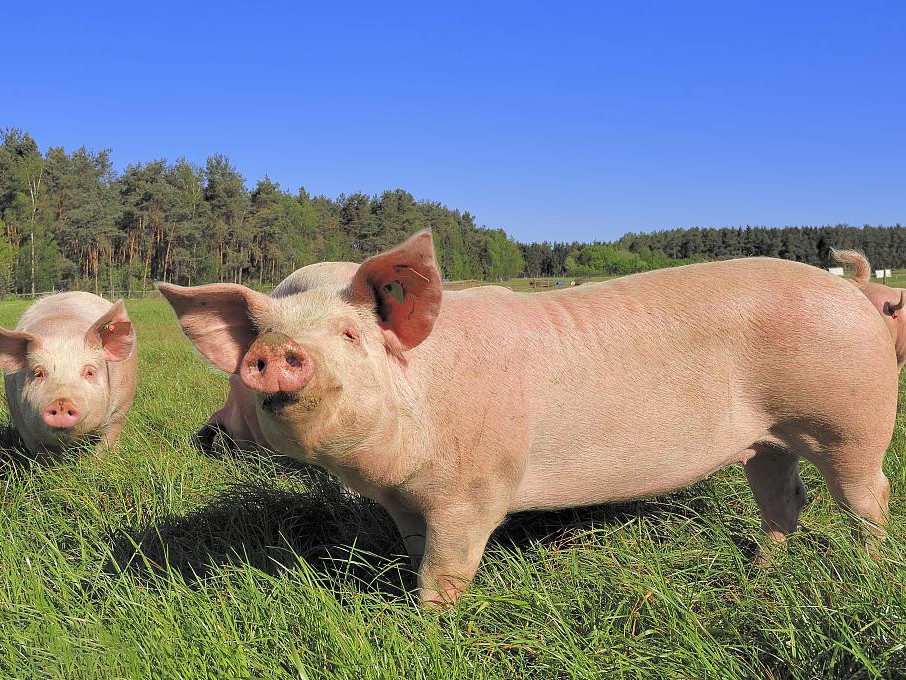
I. The Core Hazards of Swine Skin Diseases in Spring: Beyond Affecting Appearance, They Cripple Farming Profitability
In the spring, skin diseases in pigs are frequently triggered by bacterial, fungal, or parasitic infections, as well as environmental stressors. Characterized by their widespread occurrence and rapid rate of transmission, these conditions not only compromise the physical appearance of the livestock but also directly impair their physiological health and diminish farming profitability; indeed, their potential detrimental impact far exceeds the expectations of livestock farmers.
Following the onset of the disease, pigs exhibit symptoms such as skin itching, hair loss, and crusting; they become restless, reduce their feed intake, and appear lethargic. This leads to stunted growth and a decline in feed conversion efficiency, thereby delaying the time required for finishing pigs to reach market weight. When breeding sows become infected, they may experience issues such as insufficient milk production and estrous cycle irregularities, which compromise reproductive performance and can even result in the infection and subsequent illness of their piglets. In severe cases, the skin condition can progress to skin ulceration and secondary infections, potentially leading to septicemia or toxemia; this directly results in swine mortality, with death rates potentially reaching 10% to 15%.
Furthermore, if skin diseases in pigs during the spring are not controlled and prevented in a timely manner, they can spread persistently throughout the farm, creating a vicious cycle of "infection—transmission—re-infection." This not only increases costs for medication and labor but also compromises pork quality and reduces farming profitability, thereby becoming a major challenge for disease control and prevention efforts on pig farms during the spring season.
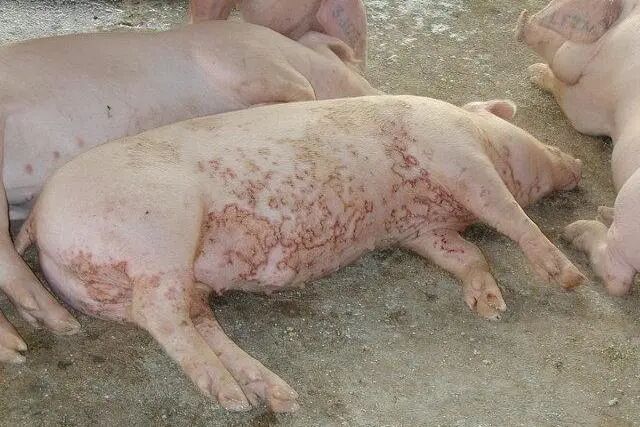
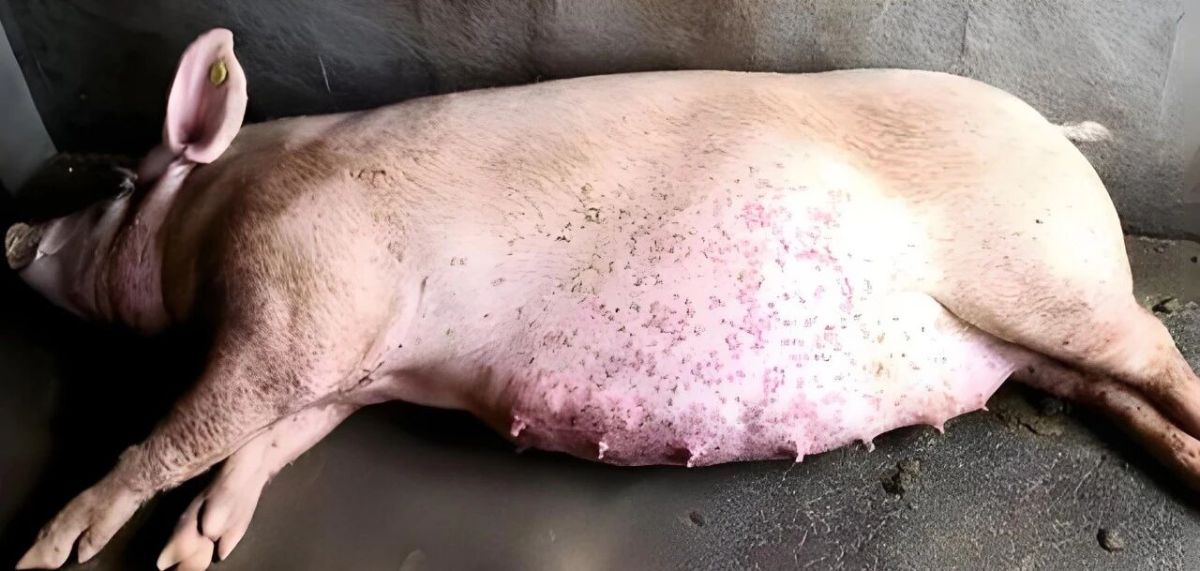
II. Common Clinical Symptoms of Swine Skin Diseases in Spring: Accurate Identification to Avoid Misdiagnosis and Improper Treatment
Swine skin diseases in the spring are diverse in nature, and the symptoms triggered by different etiologies vary. Farmers must make precise diagnoses and implement targeted measures to avoid delaying treatment through the indiscriminate use of medication. The following outlines the typical clinical symptoms of swine skin diseases that are highly prevalent during the spring season.
1. Fungal Skin Diseases (Common: Swine Ringworm)
These conditions primarily affect piglets and finishing pigs. In the early stages, the skin presents with circular or irregular erythematous patches and papules, accompanied by intense itching; affected pigs frequently rub against walls and pen railings, leading to hair loss and skin scaling. In later stages, grayish-white scabs form. Lesions are typically concentrated on the head, neck, and back; in severe cases, the infection spreads across the entire body, thereby hindering the growth and development of the pigs.
2. Bacterial Skin Diseases (Common: Porcine Exudative Epidermitis)
This condition is predominantly observed in piglets. In the early stages of infection, the skin becomes reddened and moist; subsequently, serous exudation occurs, leading to the formation of greasy scabs accompanied by a foul odor. Affected piglets exhibit lethargy and reduced feed intake; in severe cases, dehydration and emaciation ensue. If left untreated, the mortality rate is high. When adult pigs are infected, symptoms typically manifest as localized skin redness, swelling, ulceration, and scabbing, negatively impacting both their physical appearance and growth performance.
3. Parasitic Skin Diseases (Common: Swine Mange)
Highly prevalent during the spring season, this condition is triggered by infestation with *Sarcoptes* mites. Affected pigs experience intense skin pruritus—which intensifies at night—and frequently rub against surfaces; this constant friction leads to thickened, rough skin and hair loss, as well as the formation of nodules and scabs. In severe cases, the skin may crack and become inflamed. Concurrently, the condition disrupts the pigs' feeding and resting patterns, resulting in stunted growth and the development of "stunted pigs."
III. Scientific Prevention of Swine Skin Diseases in Spring: A Multi-pronged Approach to Block Disease Onset at the Source
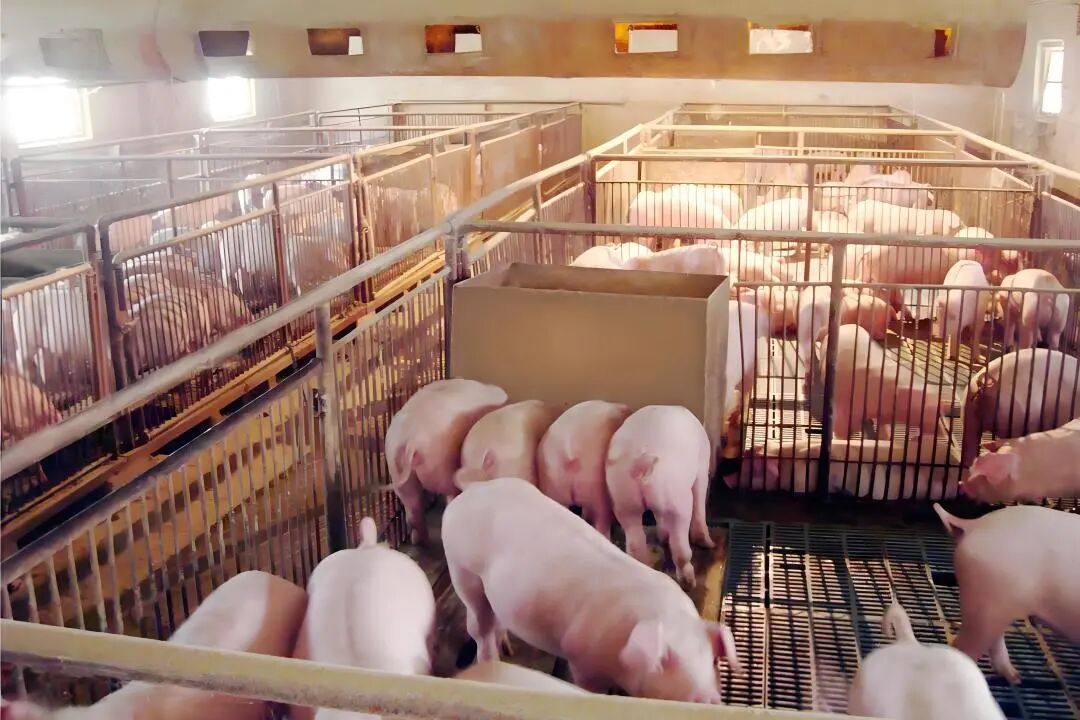
The core principle for the prevention and control of swine skin diseases during the spring season is "prioritizing prevention and integrating husbandry with disease control." By taking into account the specific climatic characteristics of spring and the practical realities of swine farm operations, Vibov has summarized the following key preventive measures to assist farmers in reducing the incidence of disease at the source.
1. Optimize the Rearing Environment to Minimize Pathogen Proliferation
During the spring season, pig barns must strike a balance between thermal insulation and ventilation. Harmful gases should be expelled promptly, and the interior of the barn kept dry and clean; humidity levels should be maintained between 60% and 70% to prevent the high temperatures and high humidity that foster the growth of bacteria and fungi. The barn, cages, feed troughs, and drinking equipment should undergo thorough, regular disinfection—specifically 2 to 3 times per week—using highly effective, non-irritating disinfectants to eliminate pathogenic microorganisms present in the environment. Furthermore, manure and bedding materials must be removed and properly disposed of in a safe and sanitary manner to prevent fecal contamination of the pigs' skin, which could lead to infections.
2. Scientific Feeding to Enhance Swine Resistance
Select high-quality, complete feeds to ensure a balanced diet, supplementing it with essential nutrients such as vitamins, minerals, and amino acids to bolster the pigs' skin resistance and systemic immunity. Avoid feeding moldy feed to prevent nutritional deficiencies that could trigger skin problems. Additionally, consider incorporating Vibov swine feed additives into the diet to regulate intestinal flora balance, improve nutrient absorption rates, strengthen the skin barrier function, and reduce the risk of skin diseases.
3. Regular Deworming to Prevent Parasite Transmission
Spring marks the active season for parasites such as swine mange mites; therefore, a scientifically sound deworming plan must be established to administer regular treatments to the entire swine herd. In particular, piglets and finishing pigs should be dewormed once every 30 days, while breeding sows should be dewormed once prior to farrowing and once postpartum. Following deworming, manure should be promptly removed and the pigsties thoroughly disinfected to prevent reinfection by parasite eggs.
IV. Treatment Methods for Swine Skin Diseases in Spring: Vibov Exclusive Products—Highly Effective Disease Control and Loss Prevention
Upon detecting symptoms of skin disease in pigs, it is essential to promptly identify the underlying cause and administer targeted treatment to prevent the condition from spreading. With its deep expertise in veterinary drug R&D, Vibov has developed a specialized veterinary medication for porcine skin diseases—specifically formulated to address the high incidence rates observed during the spring season. When combined with a scientifically designed treatment regimen, this product delivers rapid relief from itching, reduces inflammation, eliminates bacteria, and eradicates parasites, thereby facilitating the swift recovery of affected pigs.
Core Advantages of Vibov Swine Skin Disease Prevention and Control Products
1. Broad-spectrum and Highly Effective: Formulated with a compound blend, this product simultaneously addresses various porcine skin diseases caused by fungi, bacteria, and parasites. It not only rapidly eliminates pathogenic microorganisms and eradicates parasites but also alleviates symptoms such as skin itching, redness, swelling, and scabbing—providing comprehensive, multi-faceted protection with just a single application.
2. Rapid Onset of Action: The product possesses strong penetrative properties; whether applied topically or administered orally, it is rapidly absorbed by the skin and utilized by the body. It alleviates itching symptoms within 24 hours, yields visible improvement within 3 to 5 days, and allows the skin of affected pigs to return to normal within approximately 7 days, thereby significantly shortening the treatment cycle.
3. Safe and Residue-Free: The product complies with veterinary drug safety standards and export testing requirements. It induces no drug resistance and leaves no medicinal residues, making it suitable for use across all stages of swine production—including piglets, finishing pigs, and breeding sows—without negatively impacting growth, development, or meat quality.
4. Dual Protection: Offering a comprehensive approach that addresses both treatment and recovery, the product simultaneously eliminates pathogens while repairing damaged skin barriers. This enhances the pigs' skin immunity, prevents disease recurrence, and significantly lowers relapse rates.
Clinical Treatment Protocol: Upon identifying an infected pig, immediately isolate it. Select the appropriate Vibov specialized veterinary medication for swine skin diseases based on the underlying etiology: for fungal or bacterial skin infections, use in conjunction with a topical ointment; for parasitic skin diseases, administer via feed. Concurrently, supplement the pigs' diet with Vibov nutritional additives to boost nutrient intake and enhance overall immune resistance. During the treatment period, intensify disinfection of the pigsty, ensure the pigs' skin remains clean and dry, and take measures to prevent friction-related injuries. With a continuous treatment course of 3 to 7 days, the cure rate for infected pigs can exceed 95%, effectively reducing both mortality and recurrence rates.
V. Vibov: Focusing on Livestock and Poultry Health to Help Pig Farms Stabilize Production and Boost Income This Spring
Although skin diseases in pigs are prevalent during the spring season, risks can be effectively mitigated—and the profitability of swine farms safeguarded—through scientific preventive measures and precise therapeutic interventions. As a specialized provider of feed additives and veterinary pharmaceuticals, Vibov remains steadfast in its corporate philosophy: "Safeguarding livestock health and empowering farmers to enhance quality and efficiency." By focusing on the critical challenges faced by swine producers during the spring, we continuously develop highly effective and safe products for disease prevention and control, offering comprehensive, one-stop solutions to the farming community.
Moving forward, Vibov will continue to deepen its expertise in the field of livestock health. By closely monitoring disease trends and continuously upgrading our products and technologies, we aim to deliver superior, professional services to farmers worldwide—helping swine farms effortlessly navigate the challenges of spring-related skin diseases, thereby ensuring stable production, increased income, and high-quality, sustainable development.