
------News Center
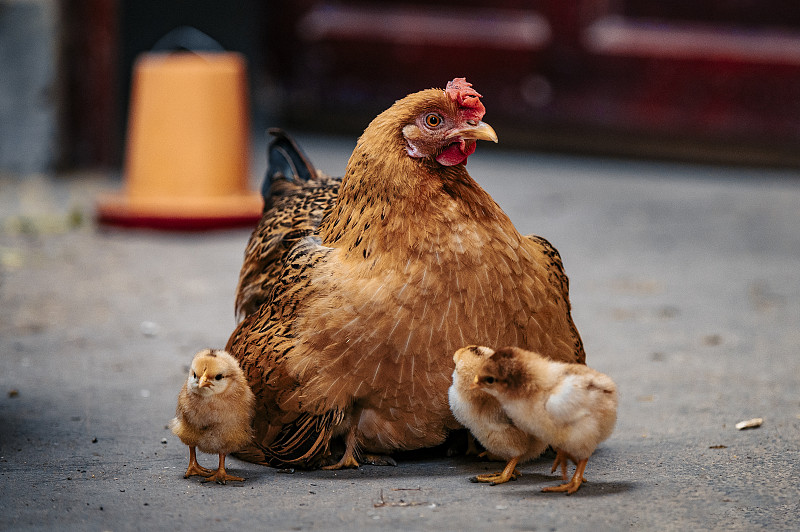
I. Be Alert to New Developments in Avian Infectious Bronchitis: Intensifying Latent Threats and Alarming Losses in Poultry Farming
Infectious bronchitis (IB) in chickens primarily targets the respiratory tract of chicks and the reproductive system of adult birds; however, novel strains of the virus are currently emerging continuously, characterized by faster transmission rates, heightened pathogenicity, and increased drug resistance. Furthermore, the scope of the disease's impact has expanded from isolated organs to systemic involvement, resulting in economic losses that are growing exponentially.
For chicks, novel strains of Infectious Bronchitis Virus (IBV) present a significantly elevated mortality rate; in chicks aged 1 to 3 weeks, infection can result in a death rate ranging from 30% to 60%, accompanied by stunted growth and a drastic decline in feed conversion efficiency, rendering the birds devoid of commercial value. In growing chickens, infection compromises the immune system, predisposing the birds to secondary and mixed infections—such as *E. coli* and *Mycoplasma*—thereby prolonging the rearing cycle and increasing medication costs. For laying hens, the impact of these novel IBV strains is even more devastating: not only does it trigger a precipitous drop in egg production rates—falling by 20% to 50%—but it also degrades egg quality, leading to the appearance of soft-shelled, malformed, or rough-shelled eggs. Furthermore, laying performance is often difficult to restore, dealing a direct and severe blow to the core profitability of the poultry operation.
Recent changes in Avian Infectious Bronchitis are also characterized by diversified transmission routes; airborne droplets, feed, drinking water, and farming equipment can all facilitate rapid spread, potentially affecting an entire flock within a short period. Consequently, it has emerged as a highly virulent infectious poultry disease that the current poultry industry cannot afford to overlook.
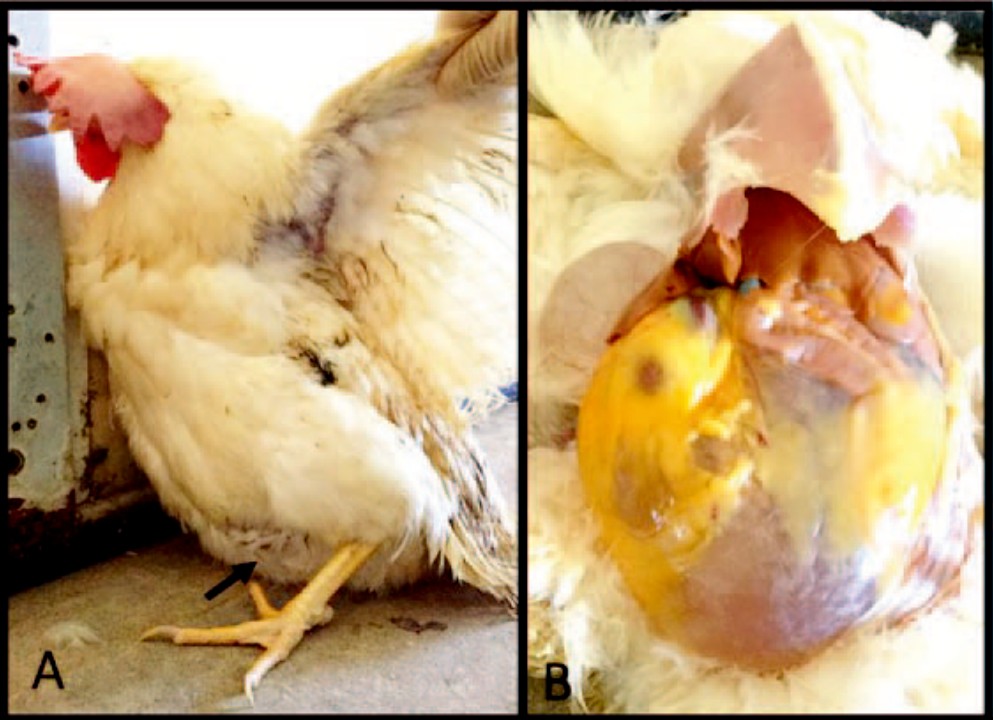
II. Clinical Symptoms of Emerging Variants of Infectious Bronchitis in Chickens: Moving Beyond Monotypic Manifestations—Precise Identification Is Key
Compared to traditional Infectious Bronchitis (IB) in chickens, the clinical symptoms of the novel strain are more deceptive and can easily be confused with diseases such as Newcastle Disease and Avian Influenza. Poultry farmers must exercise precise discernment to avoid misdiagnosis and the consequent delay in implementing timely prevention and control measures.
1. Respiratory Form (Most Common)
Affected chickens exhibit distinct respiratory abnormalities, including open-mouth breathing, sneezing, coughing, and tracheal rales. They appear lethargic, keep their eyes closed and necks retracted, and show a sudden drastic reduction in feed intake accompanied by increased water consumption. In chicks, these symptoms are accompanied by nasal discharge and swollen eyelids; in adult chickens, respiratory symptoms are relatively mild, but a decline in feed intake and abnormalities in egg production develop rapidly.
2. Reproductive Form (Affecting Laying Flocks)
Affected chickens exhibit no obvious respiratory symptoms; however, egg production rates undergo a sustained decline, and eggshells become discolored, thin, and deformed. The egg albumen becomes watery and thin, and in some affected birds, abnormal oviduct development occurs, resulting in a permanent loss of egg-laying capacity. This represents the type of symptom most easily overlooked among the recent changes observed in Infectious Bronchitis in chickens.
3. Renal Form (Highest Mortality Rate)
Affected chickens initially exhibit brief respiratory symptoms followed by rapid improvement; subsequently, they present with **loose, chalky-white droppings**, dehydration, and ruffled feathers. Post-mortem examination reveals enlarged kidneys and uric acid salt deposits. This form leads to mass mortality within a short period and currently constitutes the primary lethal type among novel strains of Infectious Bronchitis in chickens.
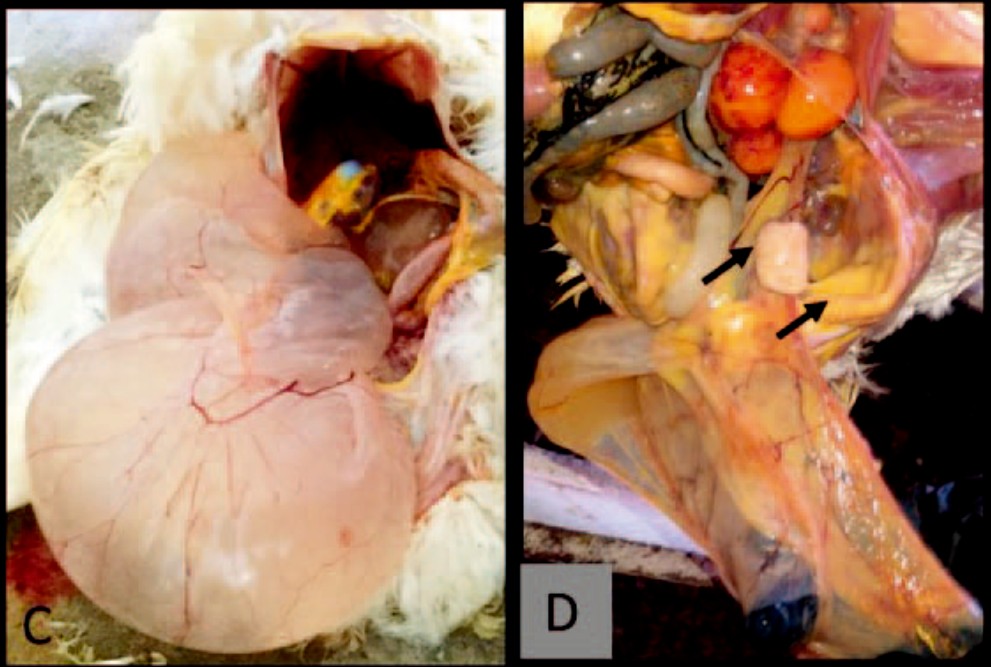
4. Proventricular Form (Novel Variant Symptoms)
Affected chickens exhibit emaciation, distension of the crop, and recurrent diarrhea; the proventriculus becomes enlarged and hemorrhagic. Feed intake is minimal, and even with therapeutic intervention to alleviate symptoms, growth remains stunted. These manifestations represent a distinct clinical syndrome triggered by a novel variant strain, characterized by an extremely high rate of misdiagnosis.
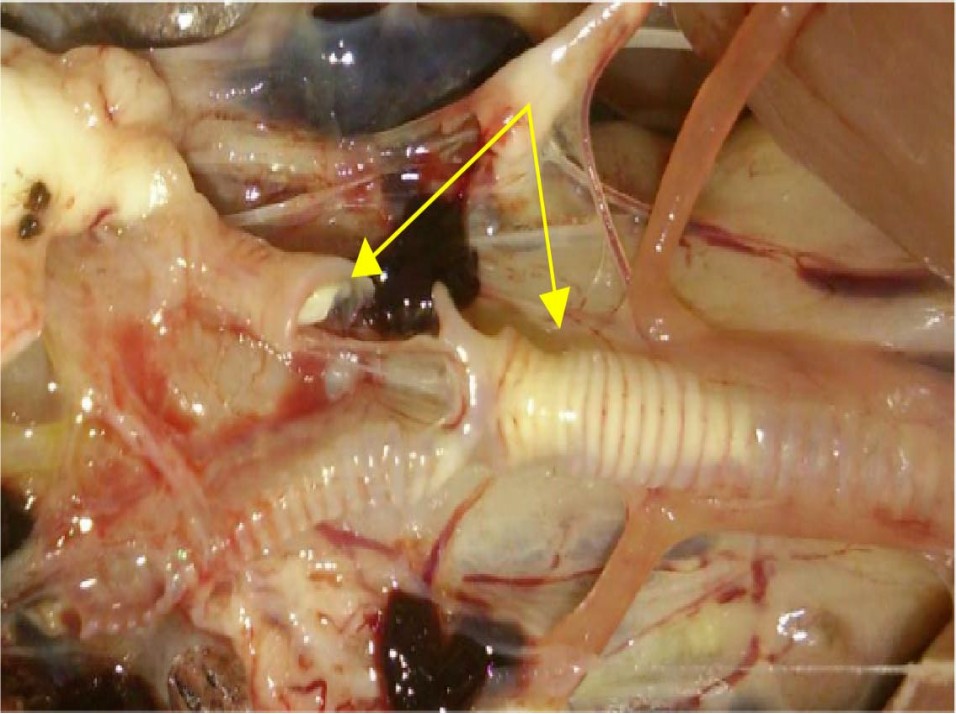
III. Treatment Protocol for Emerging Variants of Infectious Bronchitis in Chickens: Vibov Exclusive Products—Highly Effective Disease Control and Loss Mitigation
1. Potent and Targeted Action: Employing a compound formulation technique, this product precisely targets novel strains of Infectious Bronchitis Virus (IBV) in chickens, rapidly inhibiting viral replication and blocking viral dissemination. Within 24 to 48 hours of administration, clinical symptoms—such as respiratory distress and diarrhea—are alleviated, leading to a significant reduction in flock mortality rates.
2. Prevents Mixed Infections and Protects Bodily Functions: Simultaneously addresses antibacterial and anti-inflammatory needs while clearing heat and detoxifying the system; it safeguards the liver and kidneys, prevents secondary infections—such as those caused by *E. coli* and *Mycoplasma*—and repairs damaged tissues in the respiratory tract, oviducts, and kidneys, thereby facilitating the rapid recovery of feed intake and egg-laying performance in affected chickens.
3. Safe and Residue-Free: The product complies with veterinary drug safety standards, induces no drug resistance, and leaves no drug residues. It is suitable for use across all stages—including chicks, growing chickens, and laying hens—without compromising egg quality or delaying market release.
4. Adapting to New Challenges: The formula has been optimized to target current variant strains of Avian Infectious Bronchitis (IB), breaking through the efficacy limitations of traditional veterinary medicines and demonstrating significant preventive and control effects against renal, reproductive, and proventricular forms of the disease.
Clinical Protocol: Upon detecting infected birds, immediately isolate them. Administer VIBOV—a veterinary medication specifically formulated for Infectious Bronchitis in chickens—to the entire flock. Use this in conjunction with VIBOV liver-protecting and kidney-supporting feed additives for a continuous period of 3 to 5 days. Simultaneously, intensify disinfection and ventilation within the poultry house, and provide supplementary electrolytes and multivitamins to alleviate stress. Following this treatment regimen, the flock's mortality rate can be maintained at or below 5%, while laying hens will gradually resume their normal egg production levels within 10 to 15 days.
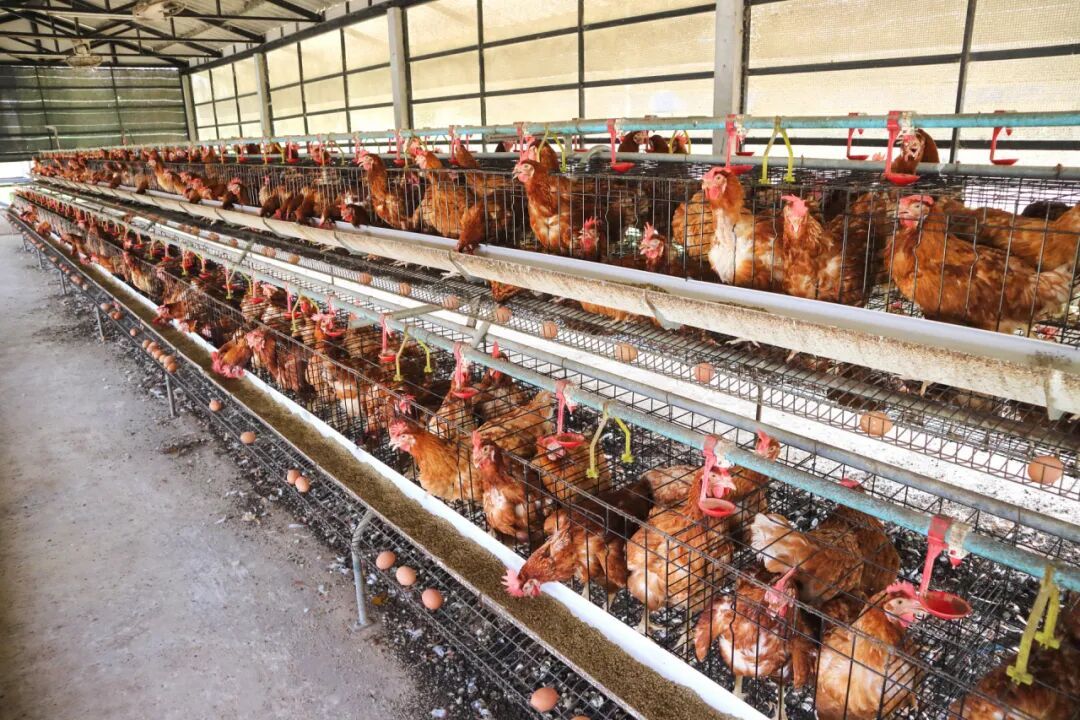
New developments in Infectious Bronchitis (IB) have presented the poultry industry with unprecedented challenges; only by closely monitoring disease dynamics, implementing scientific prevention and control measures, and utilizing medications with precision can producers safeguard their farming profits. With customer needs always at its core, VIBOV remains deeply committed to advancing R&D in veterinary poultry pharmaceuticals and upgrading disease prevention technologies. We rapidly iterate our product lines to address various emerging poultry diseases, providing poultry farmers with comprehensive, one-stop solutions for disease prevention and control.
Moving forward, VIBOV will continue to closely track epidemiological trends—including those of IB and other poultry diseases—while constantly optimizing product formulations and enhancing the efficacy of our prevention and control strategies. We stand ready to join forces with poultry farmers in confronting disease-related challenges, thereby contributing to the high-quality, efficient, and healthy development of the entire poultry industry!