
------News Center

Porcine Reproductive and Respiratory Syndrome (PRRS), commonly known as porcine blue ear disease, is one of the most devastating viral diseases in the global swine industry. It is widely prevalent in China, the United States, Brazil, and Southeast Asia, especially in intensive pig farming regions. The disease severely affects reproductive performance in sows and reduces survival rates in piglets, leading to significant economic losses for commercial pig farms.
As a brand specializing in animal health and feed additive solutions, VIBOV integrates global livestock experience and practical farm data to develop a systematic PRRS control strategy, helping farms reduce infection risks, enhance immunity, and stabilize production performance.
1. Causes of PRRS in Swine
PRRS virus (PRRSV infection) is the primary cause of porcine blue ear disease. The virus is highly mutable and can spread through airborne transmission, direct contact, and vertical transmission from sow to piglets.
In real farming conditions, PRRS outbreaks are usually associated with the following factors:
The first is weak biosecurity management, including uncontrolled farm entry, insufficient disinfection procedures, and contamination from vehicles or personnel, which allows the virus to enter and spread easily within farms.
The second key factor is reduced herd immunity. Under intensive farming conditions, pigs are frequently exposed to stress such as temperature fluctuations, weaning, regrouping, and transportation, which weakens immune response and increases susceptibility to infection.
In addition, improper introduction of breeding stock is another major risk. Infected or carrier pigs introduced into the herd can become a hidden source of continuous infection.
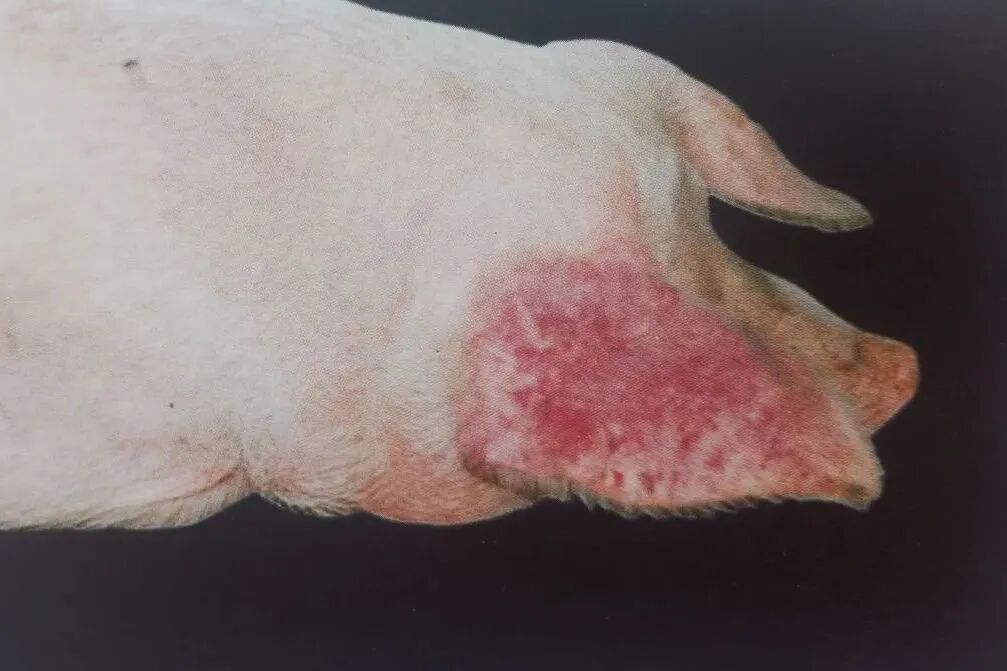
2. Clinical Symptoms of PRRS
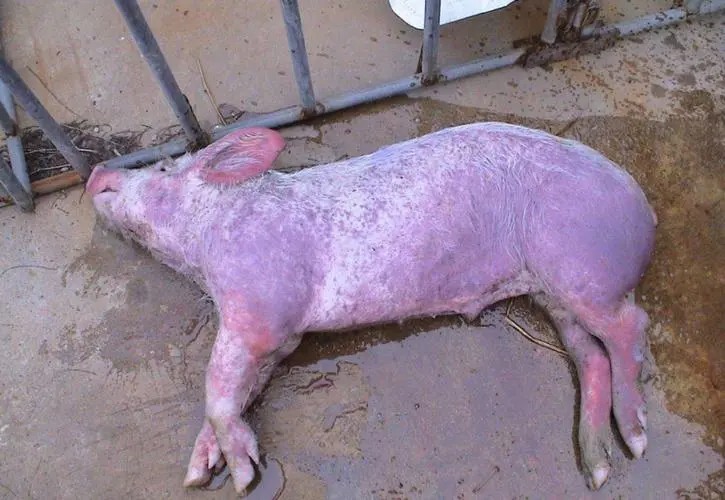
The symptoms of PRRS (Porcine Reproductive and Respiratory Syndrome symptoms) vary across different growth stages but consistently lead to reduced productivity.
In sows, the disease primarily causes reproductive disorders such as abortions, premature births, stillbirths, and increased mummified fetuses. Litter size decreases and piglet uniformity becomes poor, directly impacting farm efficiency.
In piglets, the most common signs include respiratory distress, fever, lethargy, poor growth, and high mortality rates around weaning time. Severe cases may develop secondary lung infections.
In finishing pigs, PRRS mainly presents as respiratory disease, including coughing and labored breathing. It also leads to reduced feed conversion efficiency (increased FCR) and slower weight gain, along with increased susceptibility to secondary bacterial infections.
3. Comprehensive PRRS Prevention Strategy
In modern swine production systems, PRRS prevention is far more important than treatment and must rely on an integrated management approach.
First, establishing a strict biosecurity system is essential. This includes controlled farm access, full disinfection protocols, isolation areas, and all-in/all-out production systems. These measures form the first barrier against viral entry.
Second, proper vaccination management is necessary. Vaccination programs should be designed based on farm-specific virus strains, while avoiding excessive vaccine combinations that may cause immune stress.
Environmental control is equally important. Stable temperature and humidity, proper ventilation, and reasonable stocking density can significantly reduce stress and improve disease resistance.
Recently, more modern commercial pig farms worldwide have started focusing on nutritional immune regulation using functional feed additives to enhance overall herd immunity.

4. Treatment Approach for PRRS
Currently, there is no specific antiviral drug for PRRS treatment. Management mainly focuses on supportive care and control of secondary infections.
Common practices include the use of antibiotics to prevent bacterial co-infections, electrolyte and vitamin supplementation to maintain metabolic balance, antipyretic treatments to reduce symptoms, and enhanced nutrition to support recovery.
However, these measures only relieve symptoms and cannot eliminate the virus. Therefore, improving the pig’s own immune capacity remains the key long-term solution.
5. VIBOV PRRS Control Solution
To address the challenges faced by global pig farms, VIBOV has developed a comprehensive immune enhancement and herd health management solution based on advanced nutritional immunology.
VIBOV products can be continuously added to feed or drinking systems, providing multiple bioactive compounds that work synergistically to achieve the following benefits:
- Enhance innate and non-specific immunity
- Reduce viral replication speed
- Improve respiratory health and lung function
- Decrease secondary infection risks
- Improve sow reproductive stability
- Increase piglet survival rate and uniformity
These effects help stabilize herd health during high-risk periods such as seasonal outbreaks of PRRS in intensive pig production systems.
6. Advantages of VIBOV Products
In practical applications, VIBOV solutions have been validated in multiple high-density commercial pig farms with stable and measurable improvements.
Key advantages include high safety, no drug residues, and compatibility with long-term feeding programs. The products can be used alongside vaccination protocols without interference.
In addition, VIBOV feed additives improve gut health and nutrient absorption efficiency, which indirectly enhances growth performance and feed conversion ratio, contributing to better overall farm profitability.
7. Conclusion
PRRS (Porcine Reproductive and Respiratory Syndrome) remains one of the most challenging diseases in the global swine industry. Effective control requires a comprehensive strategy combining biosecurity, vaccination, and nutritional immune regulation.
VIBOV is committed to providing professional animal health solutions for global livestock producers. Through safe and efficient feed additive technologies, VIBOV helps reduce PRRS risks, improve herd stability, and enhance long-term productivity.
As the global swine industry continues to move toward large-scale and intensive production, scientific PRRS prevention will become a key factor in competitiveness. VIBOV will continue to support this goal with reliable and innovative solutions.