
------News Center
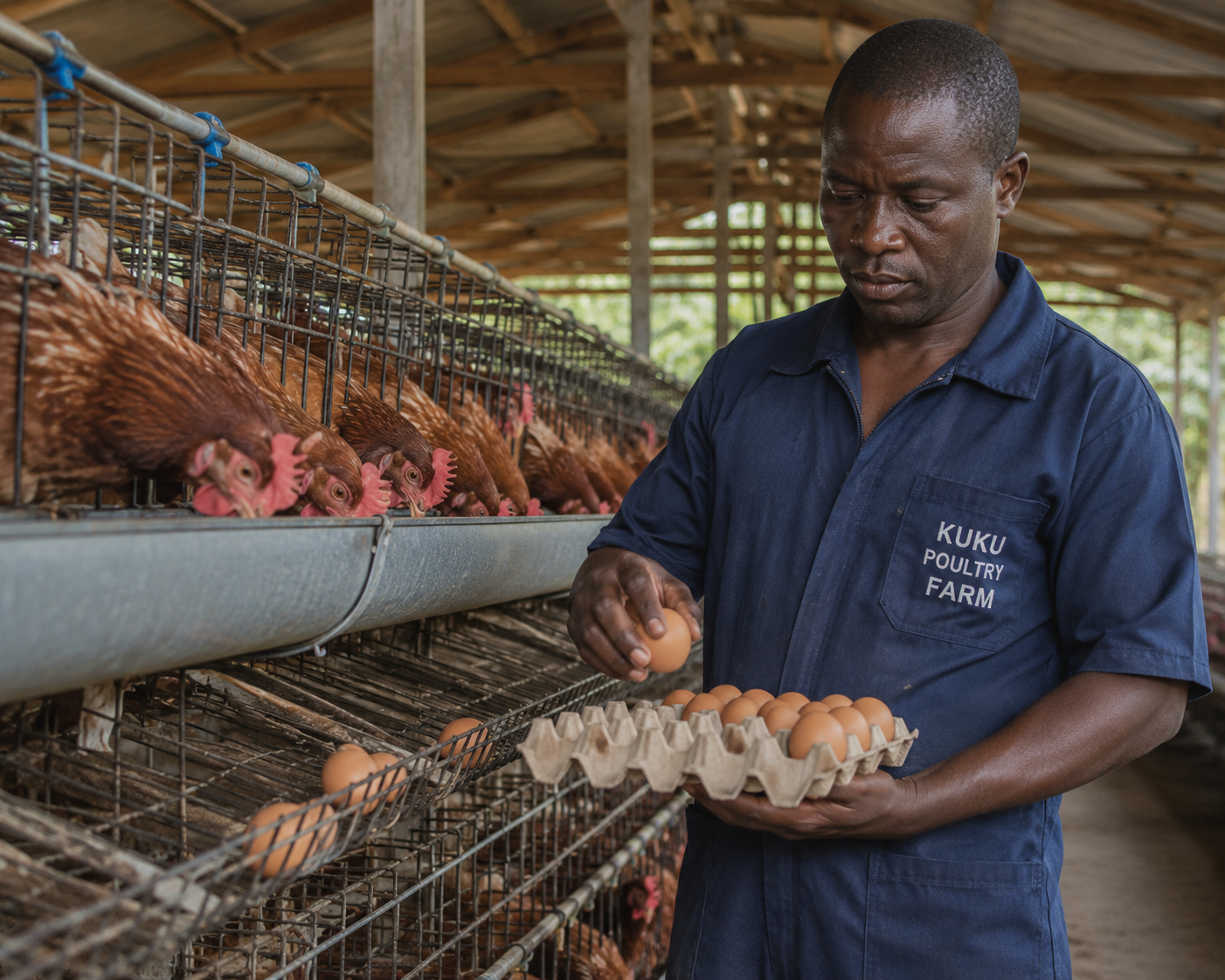
1. The Core Mechanism: How Mycotoxins Cause Poultry Recurrent Diarrhea and Feed Waste
High temperature and humid breeding environments and long-term stored feed are prone to breed a variety of molds, producing harmful substances such as aflatoxin and deoxynivalenol. These poultry mycotoxins cannot be completely eliminated by conventional high temperature and disinfection means, and will continuously damage poultry bodies along with feed intake, forming chronic invisible poisoning. Different from acute infectious diseases, mycotoxin damage is latent and cumulative, which is the fundamental cause of repeated and incurable intestinal problems in poultry.
Mycotoxins first erode the poultry intestinal barrier, destroy the integrity of intestinal mucosa, cause mucosal congestion, edema and shedding, and directly trigger poultry intestinal dysfunction. The damaged intestinal tract loses the ability to digest and absorb feed normally, resulting in undigested feed excreted with feces, forming typical feed waste symptoms. Meanwhile, the broken intestinal defense system can no longer resist the invasion of Escherichia coli and Salmonella, leading to repeated secondary enteritis. Farmers blindly use antibacterial drugs to treat symptoms but ignore the root toxin damage, resulting in endless recurrence of diarrhea and feed passage, which is also the core pain point of global poultry breeding.
2. Hidden Losses: How Mycotoxins Severely Suppress Poultry Production Capacity
The harm of poultry mycotoxin pollution is far more than superficial diarrhea and feed waste. Its long-term cumulative damage will comprehensively suppress the growth and production performance of poultry, bringing huge hidden economic losses to farms. For broilers, mycotoxin accumulation leads to low feed conversion rate, slow daily weight gain, prolonged breeding cycle, poor flock uniformity, and significantly increased feeding costs, directly reducing the commodity value of broilers.
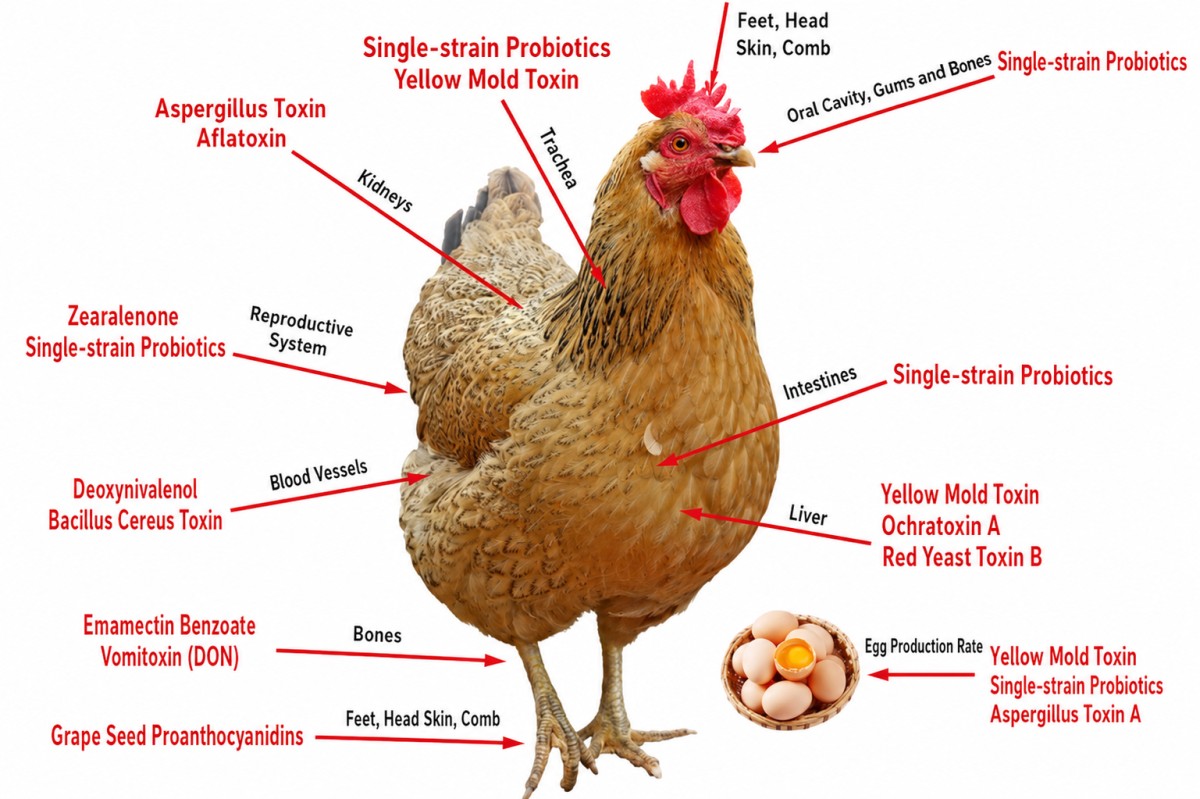
3. Defects of Traditional Prevention and Control Methods & Breeding Misunderstandings
The second mistake is using single ordinary mold adsorbents. Traditional single adsorbents only have a simple physical adsorption effect, which can only adsorb part of aflatoxin, but has no obvious effect on common toxins such as vomitoxin and zearalenone. It cannot repair damaged intestinal mucosa and improve immunity, resulting in incomplete treatment and easy recurrence. In addition, many farmers only carry out mold prevention after obvious moldy feed appears, ignoring daily preventive regulation, which leads to long-term toxin accumulation in poultry bodies and persistent damage to production performance.
4. VIBOV Professional Solution: Complete Elimination of Mycotoxin Hazards & Stabilize Poultry Production
Aiming at the core problems of poultry mycotoxin pollution, recurrent diarrhea, feed waste and production decline, VIBOV integrates years of poultry nutrition and health research experience, and launches professional compound feed additives and targeted premix feed for mycotoxin prevention and control. Adhering to the technical concept of "toxin degradation + intestinal repair + immune enhancement + liver protection", our products solve the root cause rather than superficial symptoms, perfectly making up for the defects of traditional single prevention and control methods.
VIBOV high-efficiency anti-mycotoxin feed additives adopt a compound formula of biological enzymes, active probiotics, natural plant extracts and modified adsorption factors. Different from traditional single products, it has dual functions of physical adsorption and biological degradation. It can efficiently adsorb and decompose various common poultry mycotoxins in feed, completely remove toxin residues, and avoid continuous damage of toxins to intestinal tract and liver. The rich probiotics and plant essence ingredients can quickly repair damaged intestinal mucosa, balance intestinal flora, improve poultry feed digestion and absorption rate, thoroughly solve recurrent diarrhea and feed passage problems, and prevent secondary intestinal diseases.
Matched with VIBOV special poultry functional premix feed, the product is scientifically proportioned according to the sub-health state of toxin-infected poultry. It can protect poultry liver and kidney functions, accelerate toxin metabolism and excretion, effectively improve poultry immunity and anti-stress ability, improve flock health, and comprehensively restore and stabilize production performance. After continuous use, laying hens can achieve stable egg production rate and improved egg quality; broilers gain weight rapidly with uniform growth, and the overall breeding profit is significantly increased. All VIBOV products are free of drug residues, safe and efficient, in line with international export standards, suitable for long-term daily prevention and emergency treatment of various large-scale poultry farms.