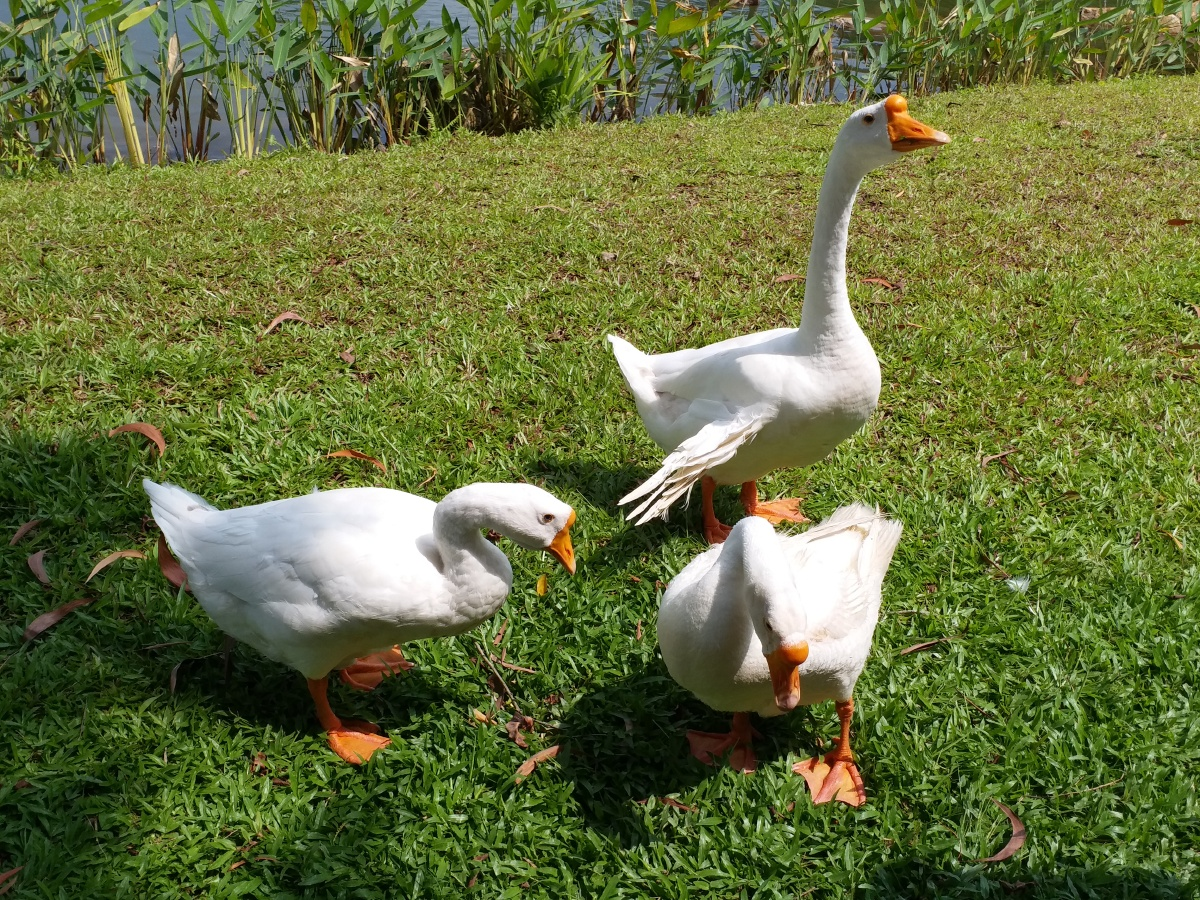
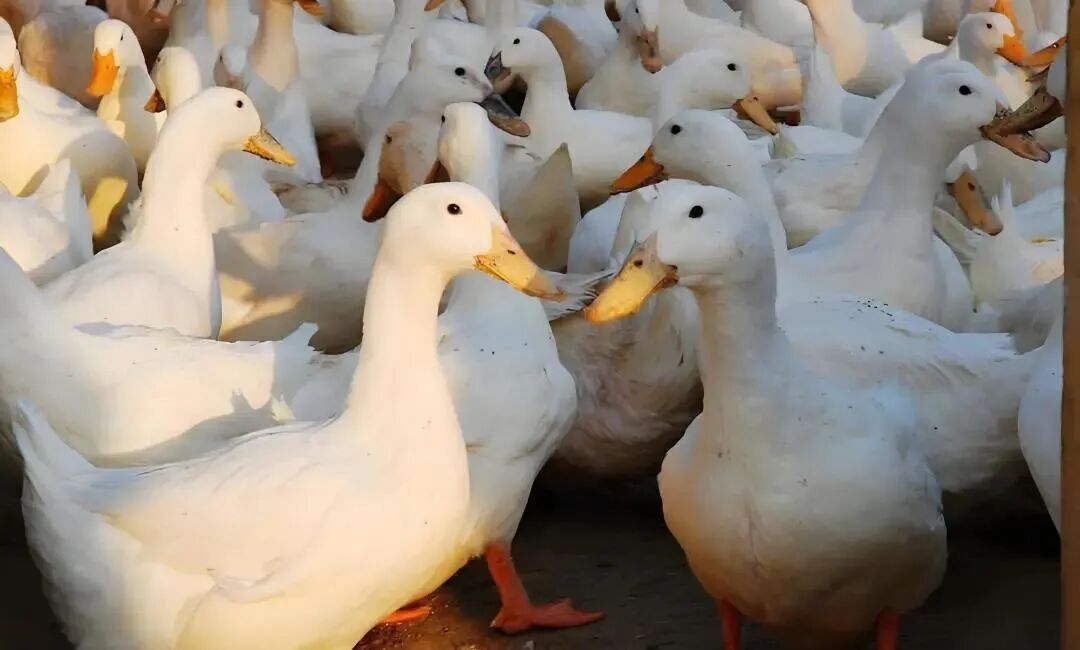
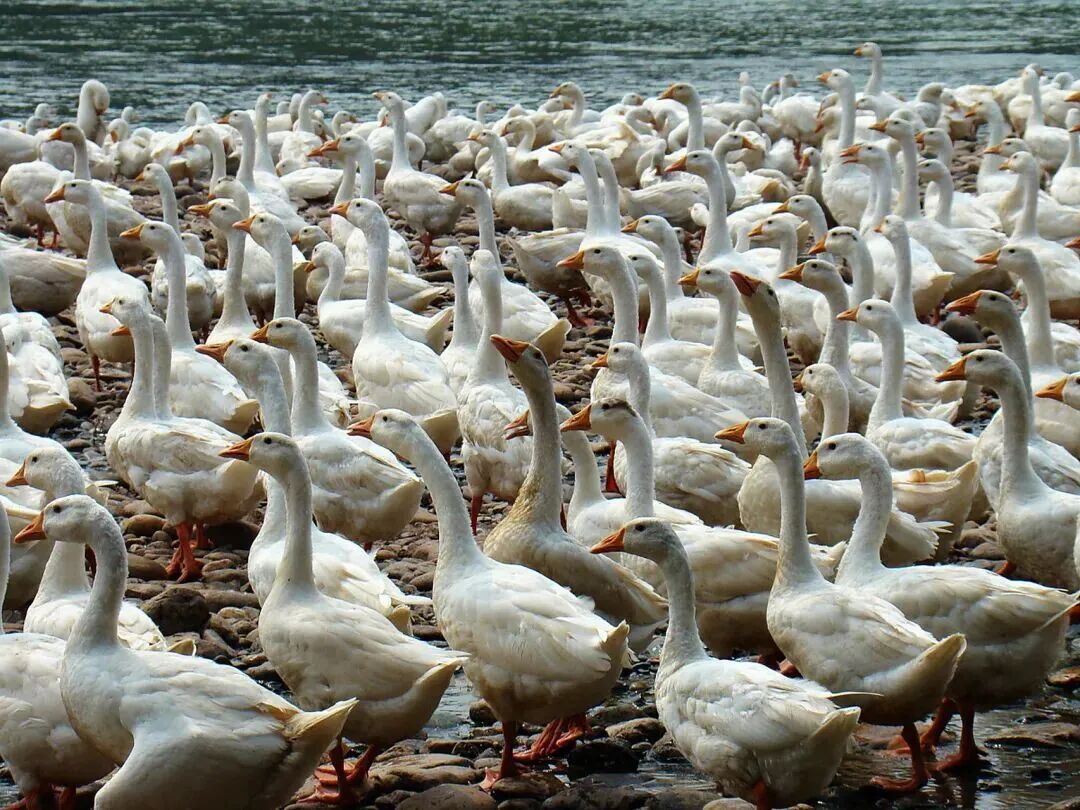
With global summer temperatures continuing to break historical records, long-lasting extreme high temperature weather has swept across North America and tropical Africa, triggering widespread waterfowl heat stress damage on commercial duck, goose and aquatic poultry farms. Breeders in the United States, Canada, Nigeria, Kenya, South Africa and Ghana are facing severe seasonal breeding challenges: flocks suffer from rapid panting, lethargy, reduced feed intake, dropped egg production and rising mortality rates. Most waterfowl farmers mistakenly believe that ducks and geese are naturally heat-resistant due to their aquatic habits and ignore latent high-temperature organic damage, resulting in continuous decline in flock performance and substantial economic losses. As a professional global livestock nutrition and anti-stress brand, VIBOV analyzes regional heat stress characteristics of waterfowl in North America and Africa, and launches targeted functional solutions to help farms relieve heat damage and stabilize summer breeding benefits.
Regional Heat Stress Hazards for Waterfowl in Africa & North America
Although waterfowl have stronger heat tolerance than ordinary chickens and turkeys, persistent high temperature above 30℃ will break their physiological balance and induce severe chronic heat stress syndrome. The two core breeding regions of North America and Africa have completely different high-temperature characteristics, causing differentiated damage to waterfowl flocks.
North American temperate summer heat features sudden heatwaves and large temperature difference between day and night. Intensive enclosed waterfowl barns in the USA and central Canada are prone to heat accumulation and poor ventilation. Flocks frequently suffer from acute heat stress, leading to sudden drop in laying rate, poor eggshell quality and decreased meat growth speed. High-density breeding further aggravates heat accumulation, causing mass lethargy and occasional sudden death of waterfowl in extreme hot weather.
Tropical African summer features year-round high temperature and high humidity superposition. Coastal and low-altitude waterfowl breeding areas maintain high temperature and humidity for months. The muggy environment makes it difficult for waterfowl to dissipate heat through breathing and water bathing, resulting in long-term chronic heat stress. Local free-range and semi-intensive flocks suffer from persistent low immunity, frequent intestinal and respiratory mixed infections, slow weight gain and low breeding survival rate, restricting the development of local waterfowl industry.
According to 2026 seasonal poultry breeding data, unmanaged heat stress causes an average loss of 15%-20% of annual output for waterfowl farms in North America and Africa, including reduced marketable duck and goose weight, declined hatching rate, increased defective eggs and higher seasonal disease incidence, becoming the biggest hidden danger restricting summer waterfowl breeding profits.

Core Physiological Damages of Heat Stress to Waterfowl Flocks
VIBOV professional technical team summarizes three fundamental irreversible damages of summer heat stress to waterfowl through long-term field tracking and experimental verification, which are the root causes of poor flock performance in hot seasons:
1. Respiratory Alkalosis & Electrolyte Imbalance
Under continuous high temperature, waterfowl accelerate breathing and pant rapidly to dissipate heat, exhaling excessive carbon dioxide and causing elevated blood pH value to form respiratory alkalosis. This condition leads to massive loss of potassium, sodium, calcium and other electrolytes, resulting in unbalanced body metabolism, weak limbs, poor mental state and greatly reduced feed digestion and absorption efficiency.
2. Intestinal Barrier Damage & Nutritional Malabsorption
High temperature stress damages the intestinal villi structure of waterfowl, destroys intestinal microecological balance, increases intestinal permeability, and causes chronic intestinal inflammation. Even if farmers increase feed nutrition, flocks cannot absorb nutrients normally, forming the dilemma of "eating more but growing slower". Meanwhile, damaged intestinal barriers greatly increase the risk of bacterial invasion and intestinal diseases.
3. Suppressed Immunity & Organ Functional Decline
Heat stress induces continuous secretion of cortisol stress hormone, inhibiting the development of immune organs and antibody synthesis. Waterfowl’s systemic disease resistance drops sharply, and they are extremely susceptible to external pathogens. Long-term high temperature also causes cumulative damage to liver and kidney metabolic functions, reducing the body’s toxin excretion capacity and further weakening flock health.
Shortcomings of Traditional Heat Stress Prevention Methods
Most waterfowl farms in North America and Africa still rely on traditional passive cooling methods, which have obvious limitations and cannot solve heat stress fundamentally. Physical cooling such as increasing ventilation, spraying water and shading can only reduce local temperature temporarily, failing to adjust internal physiological disorders of flocks. Ordinary single electrolyte supplements only supplement simple mineral components, lacking intestinal repair, antioxidant and immune enhancement functions, with poor comprehensive improvement effect. Conventional vitamin preparations are easy to decompose under high temperature, resulting in low utilization rate and unable to resist persistent tropical and subtropical heat stress damage.
To solve the above industry pain points, VIBOV launches a special waterfowl anti-heat stress nutritional additive tailored for North American intensive breeding and African tropical breeding scenarios, realizing active anti-stress, physiological repair and performance stabilization.
Core Efficacy of VIBOV Waterfowl Heat Stress Relief Products
VIBOV summer exclusive waterfowl protection formula passes international feed safety certification, with high temperature resistance, zero hormones and zero banned additives, safe for laying ducks, breeding geese and meat waterfowl. It targets the whole process of heat stress damage and has multiple verified core efficacies suitable for African and North American waterfowl farms:
- Quickly relieve heat stress and stabilize vital signs: Rich in microencapsulated high-activity vitamins, buffered compound electrolytes and natural plant antioxidants, it rapidly reduces blood cortisol levels, improves panting and lethargy symptoms, balances blood acid-base status, and eliminates respiratory alkalosis caused by high temperature, helping flocks recover normal physiological state in 3-5 days.
- Repair intestinal damage and improve feed conversion rate: Compound probiotics and plant essential oil complexes repair heat-damaged intestinal villi, regulate intestinal flora balance, improve nutrient digestion and absorption capacity, effectively solve the problem of poor appetite and slow growth of waterfowl in summer, and significantly increase daily weight gain and feed utilization efficiency.
- Stabilize laying performance and improve egg quality: Protect ovarian and fallopian tube functions of laying waterfowl, reduce heat-induced laying pause and irregular egg production, increase eggshell thickness and uniformity, reduce thin-shell and broken eggs, and stabilize summer laying rate and hatching quality.
- Enhance flock immunity and reduce disease incidence: Activate immune cell activity, improve antibody levels, resist bacterial and viral mixed infections caused by low immunity in high temperature, reduce summer intestinal and respiratory disease incidence, and lower farm mortality and veterinary costs.
- Adapt to dual regional breeding scenarios: High-temperature stable formula adapts to sudden heatwave climate in North America and persistent high-temperature and high-humidity environment in Africa, suitable for intensive cage breeding and free-range breeding modes, with low dosage and high cost performance.

Dual Regional Farm Trial Verification Data
In summer 2026, VIBOV technical team carried out controlled trials on commercial waterfowl farms in the United States and Nigeria, covering North American intensive and African free-range breeding modes. The results show that after using VIBOV products, the heat stress symptom relief rate of waterfowl flocks reached 92%. The laying rate of laying ducks increased by 14%-16%, the meat duck daily weight gain increased by 12%, the intestinal disease incidence decreased by 28%, and the sudden death rate caused by heat stroke was effectively controlled. Farms achieved significant summer breeding profit growth.
Conclusion
Persistent summer high temperature brings unavoidable waterfowl heat stress damage to North American and African farms. Passive physical cooling can only treat the symptoms but not the root cause. Only through targeted nutritional intervention can we repair heat-induced physiological damage, balance body metabolism and stabilize flock production performance. As a professional livestock nutrition brand focusing on global high-temperature breeding scenarios, VIBOV continues to optimize tropical and subtropical anti-stress formulas, helping waterfowl farms in Africa and North America resolve summer heat stress risks, reduce breeding losses and achieve stable and efficient production.