
------News Center
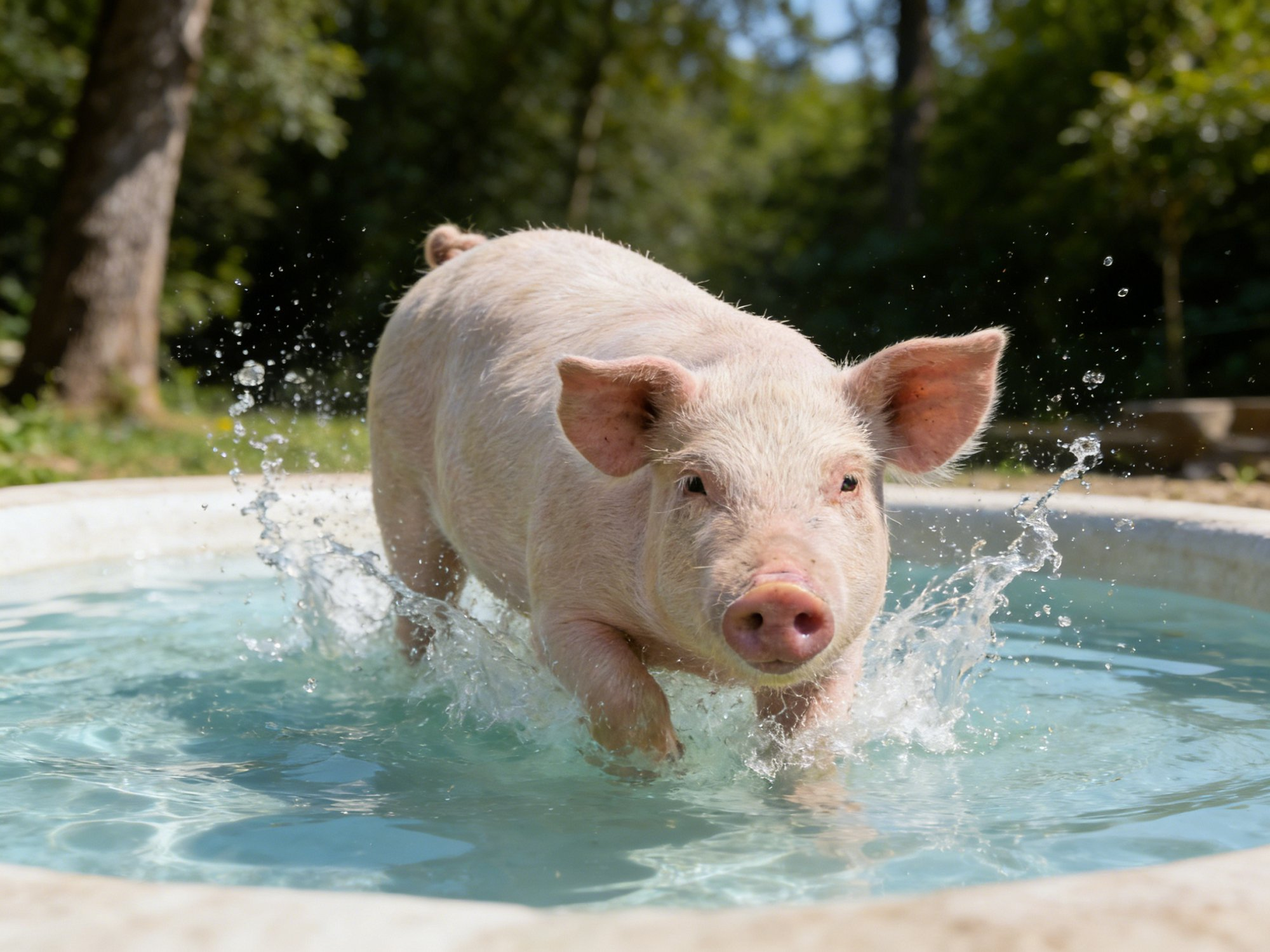
Global swine heat stress has evolved into a seasonal persistent threat for commercial pig farms across North America, Southeast Asia, Southern Europe, Australia and Latin America in 2026, with sustained high ambient temperature and high humidity breaking annual meteorological records in major pig-raising regions. Veterinary field data and global pig breeding monitoring reports confirm that late-gestation sows (85-114 days gestation) and market-weight finishing pigs become the core vulnerable groups suffering irreversible production losses, reproductive failure and mortality risks. As a professional global animal nutrition and anti-stress solution brand,VIBOV releases targeted nutritional intervention products to solve swine high-temperature damage, stabilize farm economic benefits, and fill the technical gap of non-physical cooling heat relief for intensive pig barns worldwide.
Why Late-Gestation Sows and Finishing Pigs Are Heat Stress High-Risk Groups
Different from nursery piglets and early-gestation sows, late-gestation sows and finishing pigs have unique physiological defects that make them unable to adapt to continuous high-temperature environments, which explains why they are the worst-hit population during summer heat surges. Pigs have limited sweat gland distribution on the body surface, relying only on respiration and peripheral blood circulation to dissipate body heat, and high metabolic load further weakens their natural thermoregulation capacity.
For high-yield late-gestation sows raised in modern intensive farms, fetal development brings super-high body metabolism load, visceral compression and elevated internal body heat. When the pig barn ambient temperature exceeds 28℃, standard thermoneutral temperature for pregnant sows, sows will trigger systemic oxidative heat stress response automatically. Field statistics from global pig breeding institutions show that heat-stressed late-gestation sows face a 22%-35% drop in daily feed intake, severe intrauterine fetal growth retardation, increased stillbirth rate, weak piglet ratio, postpartum agalactia and uterine inflammation. Multiparous sows under long-term heat stress will also suffer estrus disorder and prolonged non-productive days, directly cutting down the annual parity benefit of breeding herds.
For commercial finishing pigs weighing 60kg to market weight, rapid muscle protein synthesis, high feed conversion metabolism and thick subcutaneous fat layer greatly hinder heat dissipation. Once barn temperature rises above 30℃, finishing pigs reduce feeding frequency, weaken gastrointestinal peristalsis, and activate stress cortisol secretion. Common visible symptoms include uneven group growth, decreased feed conversion ratio (FCR), increased respiratory rate, heat stroke acute death, and enhanced susceptibility to swine respiratory complex disease (PRDC). For medium and large-scale commercial finishing farms, heat-induced growth delay extends slaughter cycle by 7-12 days per batch, bringing huge additional feed cost and barn occupancy cost every year.
Traditional farm cooling measures including wet curtain cooling, spray cooling, ventilation fan upgrading and drinking water cooling have obvious limitations. These physical cooling methods consume massive electric energy, increase barn air humidity to trigger bacterial proliferation, fail to regulate internal pig physiological metabolism, and cannot protect core organ functions of heat-sensitive late-gestation sows and finishing pigs. Many global pig farms adopt electrolyte powder and ordinary vitamin additives for emergency heat relief, while common low-dose anti-stress additives cannot relieve deep oxidative damage and hormonal imbalance caused by persistent high temperature, resulting in poor on-site improvement effect.
Core Production Loss Data Caused By Seasonal High Temperature On Global Pig Farms
Based on 2025-2026 cooperative farm tracking data collected by VIBOV technical service team from 12 countries including the United States, Vietnam, Spain, Brazil and Thailand, standardized loss data of heat-stressed pig herds is sorted out below, focusing on late-gestation sow and finishing pig herds without professional nutritional anti-stress intervention:
- Late-gestation sow herd loss indicators: 28% higher stillbirth rate, 19% lower average birth weight of live piglets, 31% higher postpartum sow elimination rate, 26% reduction in colostrum immunoglobulin content, 40% increased risk of postpartum mastitis-metritis-agalactia (MMA) syndrome
- Finishing pig herd loss indicators: 0.18-0.25 elevated feed conversion ratio, 15%-20% reduced daily weight gain, 12% higher group morbidity, 8% acute heat stress mortality in high-density fattening barns, increased dosage of antibiotics for respiratory and intestinal inflammation treatment
- Hidden farm operating loss: Increased energy consumption of cooling equipment, extended feeding cycle, decreased sow reproductive utilization life, downgraded carcass meat quality of finishing pigs, reduced overall farm annual net profit by 11%-18% in hot seasons
Against this industry-wide profit dilemma, VIBOV relies on 12 years of R&D experience in swine nutritional anti-heat-stress additives, targeting the physiological pain points of late-gestation sows and finishing pigs, launching customized compound heat-resistance nutritional products, achieving dual protection of internal physiological regulation and external herd health, and building a low-cost, high-efficiency heat stress defense system for global intensive pig farms.
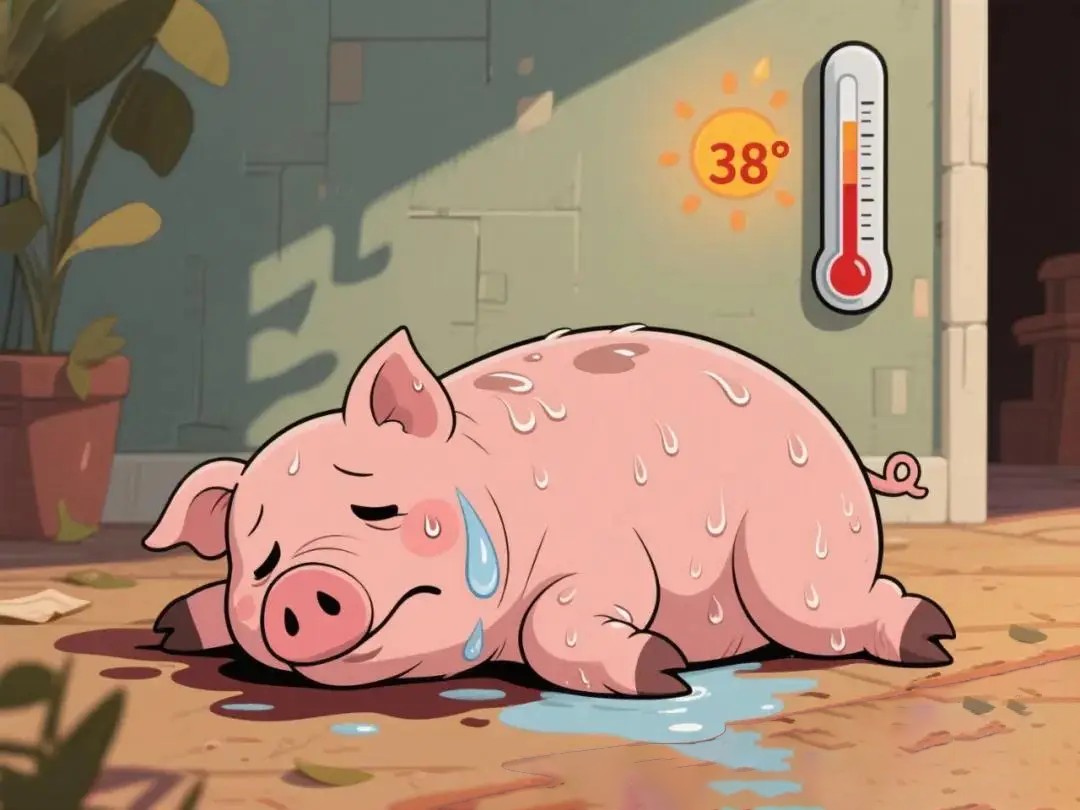
VIBOV Custom Heat-Stress Relief Products: Targeted Efficacy For Late-Gestation Sows & Finishing Pigs
Different from universal general anti-stress products on the market, all VIBOV summer special swine additives adopt regional formula optimization design, matching high-temperature and high-humidity breeding characteristics of tropical, subtropical and temperate high-temperature zones. The products pass EU animal feed safety certification, United States FDA feed additive standard detection, zero hormone, zero banned antibiotics, fully compliant with global livestock export feeding standards, suitable for full-cycle feeding of export-standard pig herds.
1. VIBOV GestHeat Protect: Exclusive Formula For Late-Gestation Sow Heat Stress Protection