
------News Center
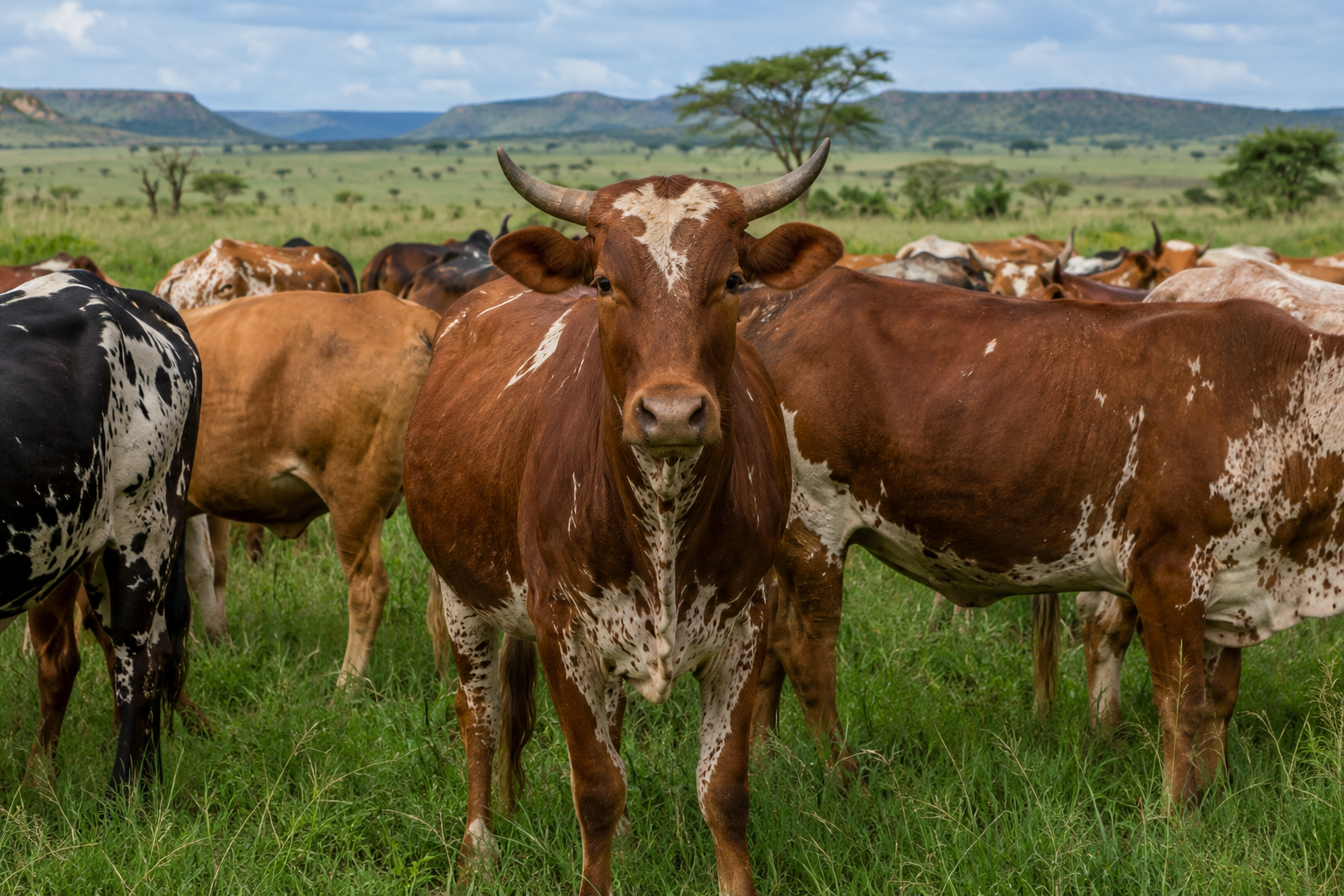
Severe Economic Losses Caused By Summer Heat Stress On African Cattle Farms
For African dairy cattle herds, heat stress directly inhibits mammary gland development and lactation hormone secretion. High-yield dairy cows in Kenya and Tanzania face a 10%-30% drop in daily milk yield, accompanied by reduced milk fat rate, decreased milk protein content and increased somatic cell count, leading to downgraded milk quality and lower market pricing. Severe heat-stressed dairy cows will experience irregular estrus, reduced conception rate and increased abortion rate, seriously disrupting the stable reproduction cycle of core dairy herds.
For African beef cattle and fattening cattle raised in South Africa and Nigeria feedlots, high temperature suppresses feeding desire and gastrointestinal digestion efficiency. Heat-stressed beef cattle have 18%-24% lower daily feed intake, significantly reduced daily weight gain, and extended fattening cycle by 10-15 days per batch. Meanwhile, long-term thermal stress damages cattle immune function, greatly increasing the incidence of respiratory diseases, intestinal inflammation and parasitic infections, raising veterinary costs and herd elimination rate for local farms.
In addition, heat stress causes obvious behavioral abnormalities in African cattle herds, including frequent panting, rapid breathing, long-term lying down, reduced activity and concentrated gathering in shaded areas. Severe cases will lead to acute heat stroke, organ failure and sudden death, bringing direct economic losses to small-scale pastoral households and large commercial breeding enterprises. Traditional cooling measures such as simple sunshade nets, artificial watering and increased drinking water have limited effects, unable to solve the internal physiological metabolic disorder of heat-stressed cattle fundamentally.
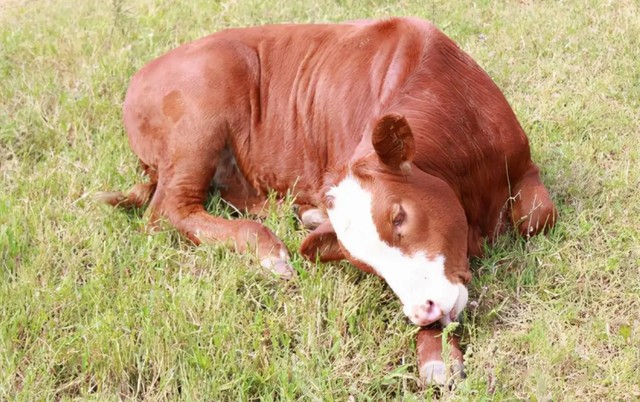
Unique Root Causes of Severe Heat Stress In African Tropical Cattle Breeding
Combined with the local climate, breeding environment and herd physiological characteristics of Africa, the VIBOV professional technical team summarizes three core reasons why African cattle herds are more susceptible to severe heat stress compared with European and American cattle groups, explaining the failure of conventional summer heat prevention methods in African regions:
1. Tropical High Temperature & High Humidity Block Heat Dissipation
Most African cattle-raising areas belong to tropical savanna and tropical rainforest climates. Summer features simultaneous high temperature and high humidity. High air humidity inhibits cattle skin evaporation and respiratory heat dissipation, resulting in accumulated internal body heat that cannot be discharged. Even if the external temperature does not reach extreme high temperature, cattle are still in a continuous heat stress state, forming chronic thermal damage that is difficult to detect in the early stage.
2. Single Pasture Nutrition Causes Poor Anti-Stress Ability
Affected by seasonal drought and single vegetation structure, African natural pastures are chronically deficient in active vitamins, chelated trace minerals and antioxidant substances. Long-term grazing on single forage leads to nutritional imbalance in cattle, weakening antioxidant capacity and thermal tolerance. Once encountering summer heatwave impact, herds lack sufficient nutritional reserves to resist stress, resulting in rapid collapse of physiological functions.
3. Heat-Induced Rumen Microflora Imbalance
Defects of Traditional Heat Stress Prevention Methods For African Cattle
At present, most local African cattle farms still adopt traditional passive heat prevention modes, which have obvious bottlenecks and cannot adapt to tropical extreme high-temperature breeding environments. Simple physical cooling increases farm humidity while reducing temperature, easily inducing bacterial and parasitic breeding and increasing herd disease risk. Ordinary electrolyte supplements on the market only simply replenish water and salt, lacking antioxidant and rumen protection functions, unable to repair oxidative damage and metabolic disorders caused by long-term heat stress. Single vitamin preparations have poor high-temperature stability and are easily decomposed in tropical hot environments, resulting in extremely low actual utilization rate and no obvious improvement effect on herd heat stress.
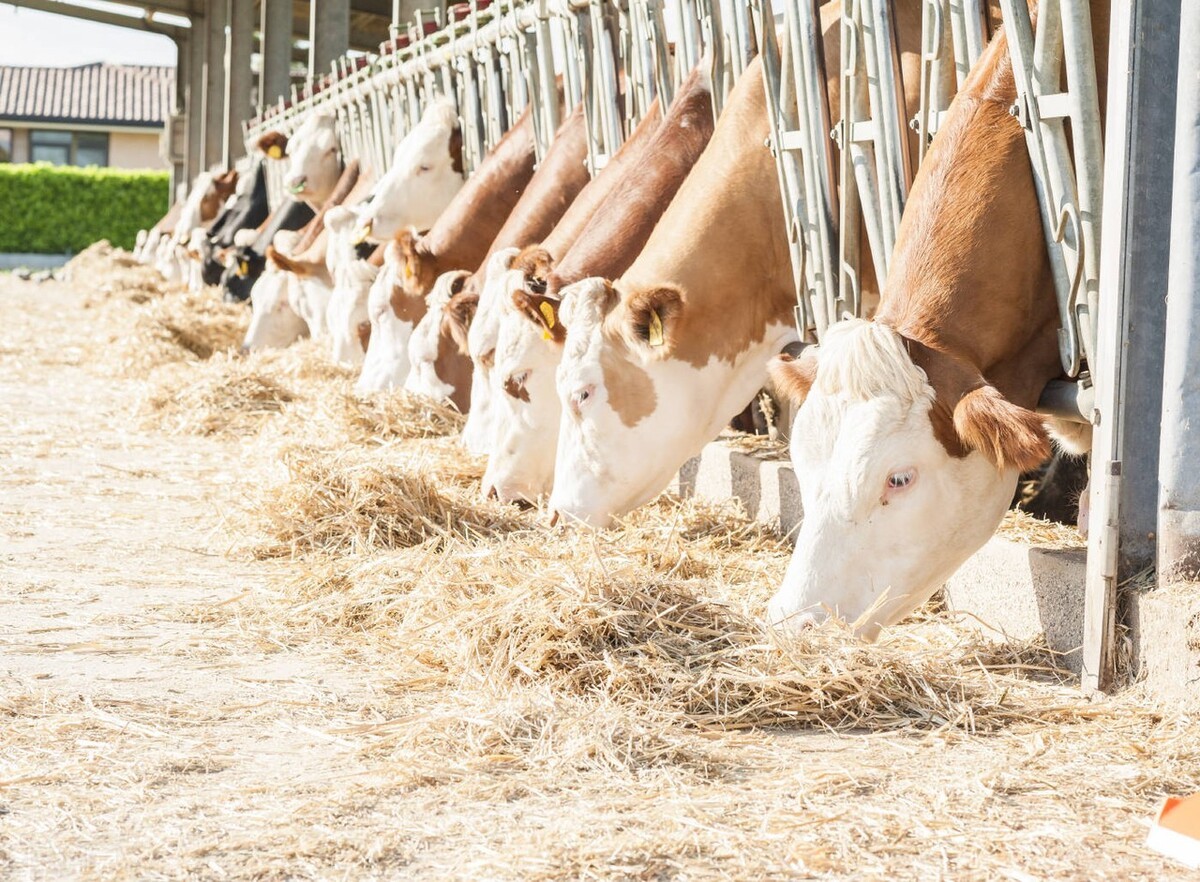
Core Efficacy of VIBOV Cattle Anti-Heat Stress Products For African Tropical Regions
Repair rumen function and improve nutrient utilization:
The unique rumen probiotic compound formula optimizes rumen microflora balance damaged by high temperature, improves feed fermentation and digestion efficiency, solves summer cattle inappetence, bloating and indigestion problems, significantly increases dry matter intake of herds, and reverses growth and production decline caused by heat stress.
Stabilize dairy cattle milk production and improve milk quality:
Effectively improve the antioxidant capacity of dairy cattle, protect mammary gland tissue from thermal damage, stably maintain lactation hormone secretion, increase daily milk yield by 12%-18% for heat-stressed dairy cows, optimize milk fat and milk protein content, reduce somatic cell count, and upgrade commercial milk quality.
Accelerate beef cattle weight gain and shorten fattening cycle:
Balance body metabolism, reduce nutrient loss caused by stress consumption, improve feed conversion ratio, increase daily weight gain of fattening cattle by 15%+, shorten summer fattening cycle, and reduce additional feed and breeding costs for African fattening farms.
Protect reproductive performance and improve herd fertility:
Reduce oxidative damage to ovarian and uterine tissues of breeding cattle, improve estrus synchronization rate and conception rate, reduce abortion and stillbirth rate of heat-stressed pregnant cattle, stabilize the annual reproductive efficiency of breeding herds, and reduce herd elimination cost.
Enhance herd immunity and reduce disease incidence:
Long-term supplementation can improve the body's antioxidant and immune levels of cattle, reduce the incidence of summer respiratory and intestinal diseases, cut down veterinary drug use and breeding mortality, and improve the overall survival rate and health level of African cattle herds.
Local African Farm Trial Data: Verified Practical Effect of VIBOV Heat Stress Solution
From May to August 2026, VIBOV African technical service team carried out a 90-day controlled feeding trial on a 4,500-head beef cattle feedlot in Johannesburg, South Africa and a 2,200-head dairy cattle farm in Mombasa, Kenya, under continuous barn temperature of 31℃-36℃. Comparing the traditional cooling and electrolyte feeding group with the VIBOV product feeding group, the trial data is authentic and authoritative:
Kenya dairy cattle farm trial result: The milk yield of heat-stressed dairy cows increased by 16.8%, milk fat and milk protein content increased steadily, and the abortion rate of pregnant cows decreased by 25%. The overall summer production benefit of the farm increased by more than 20%.
VIBOV Localized African Technical Support & Summer Breeding Guidance
To adapt to the differentiated breeding conditions of various African regions, VIBOV has set up regional technical service teams in South Africa, Kenya and Nigeria, providing free localized supporting services for local cattle farms, including summer herd heat stress risk assessment, targeted product dosage guidance, pasture feed formula optimization, and high-temperature season herd health management plans. The products support both feed mixing and drinking water dilution feeding, adapting to intensive large-scale farms and traditional free-range pastoral breeding modes in Africa, with simple operation and low application cost.
Conclusion: Nutritional Intervention Is The Core To Solve African Cattle Summer Heat Stress