
------News Center
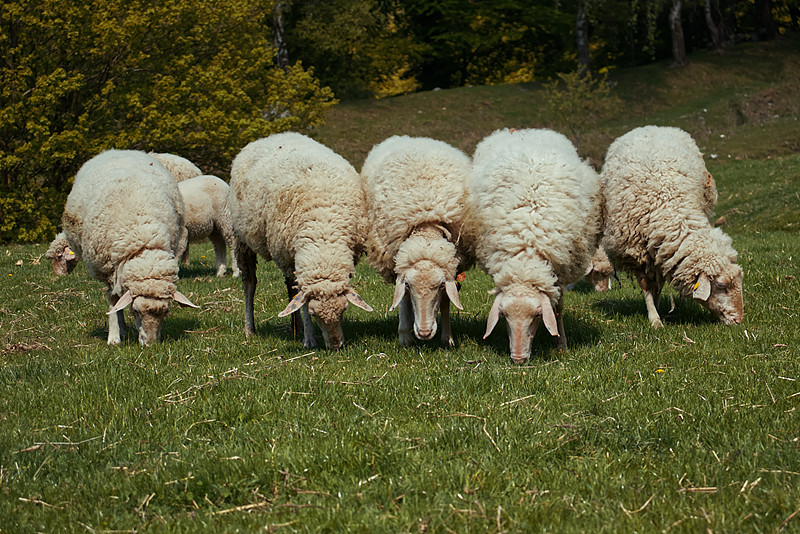
Every spring and autumn, the same scene plays out on sheep farms: a ewe stands apart from the flock with a runny nose, drooping ears, and a feed trough that stays full. Many producers shrug it off as “just a cold.” But in sheep farming, a neglected sheep cold is the doorway to pneumonia in sheep — one of the most costly respiratory diseases in the industry. Here is why seasonal transitions trigger colds, how a simple runny nose turns into secondary pneumonia, and how VIBOV EZee BREATH supports respiratory recovery in sheep and goats.
Why Do Seasonal Transitions Trigger Sheep Colds?
Recognizing a Sheep Cold: The Signs You Should Never Miss
A sheep cold develops quietly, and its early signs are easy to confuse with normal behavior. Watch for:
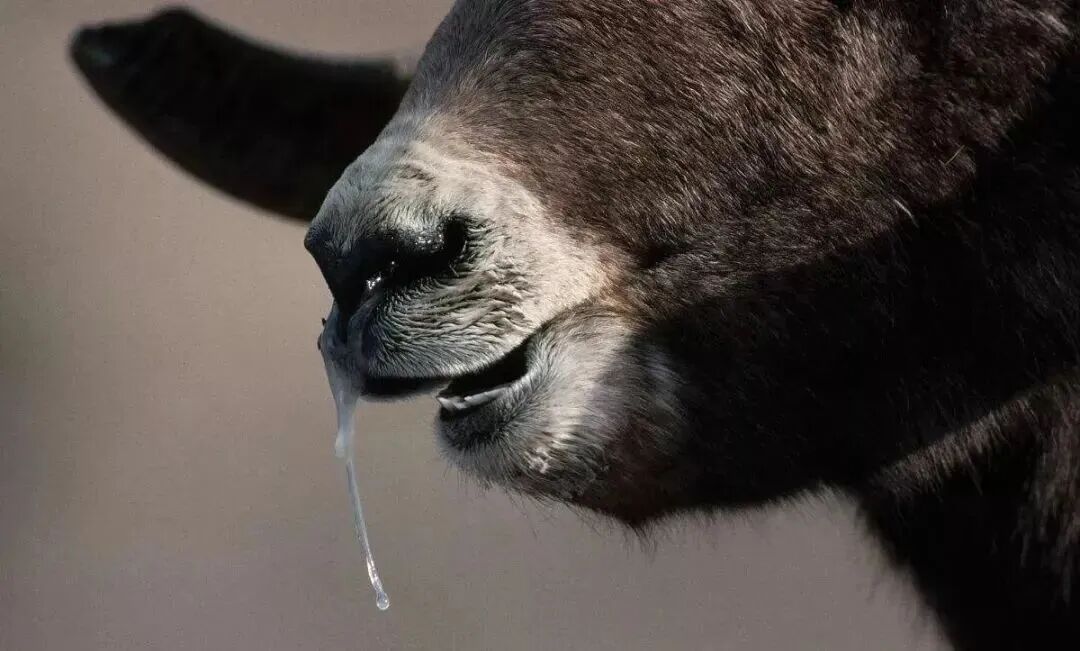
- Clear nasal discharge in sheep — the first and most reliable signal;
- Tearing eyes, sneezing, and an occasional soft cough;
- A slight rise in temperature and noticeably faster breathing;
- Reduced appetite — the sheep visits the trough but eats little, or stops eating entirely;
- Listlessness: head lowered, ears drooping, back arched, and shivering, especially in the early-morning and evening cold [2].
From Runny Nose to Pneumonia: The Dangerous Cascade
The Real Cost of “Waiting It Out”
The economics of a delayed sheep cold are unforgiving. A few days of “watching” can mean:
- A ewe that loses weight and condition just before the breeding or lambing season;
- Higher treatment costs, because routine antibiotics no longer work once deep lung infection is established;
- Death or culling in the worst cases — 22% mortality in affected sheep flocks in one major field study [3];
- Contagion risk, as sick sheep shed bacteria that threaten the rest of the flock.
Prevention and early support cost a fraction of treatment. In sheep health management, the cheapest medicine is the one given before the disease takes hold. And in an outbreak, the damage is never limited to the sick animals: the whole flock loses condition, weight gain slows, and market schedules slip by weeks.
Mucus Is the Core Problem: Clear the Airway, Save the Lung
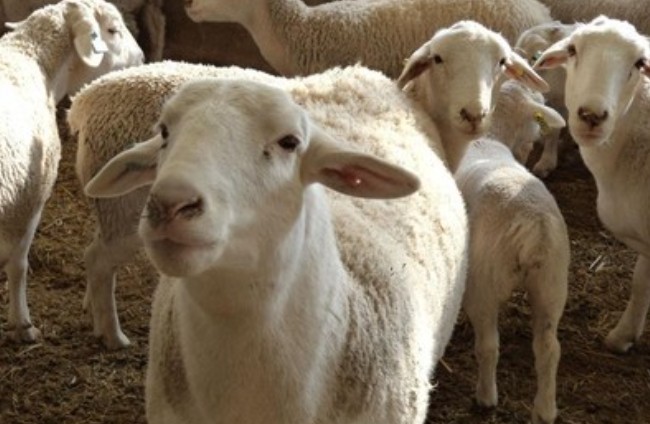
Whether the cause is viral, bacterial, or weather-related, one feature connects every case: thick mucus. As the airway lining becomes inflamed, mucus turns stickier, blocks small airways, traps bacteria, and — critically — prevents antibiotics from reaching the infected lung tissue where they are needed most.
Traditional Chinese veterinary medicine has long treated respiratory disease in sheep in this order: first “resolve phlegm and open the airway,” then fight the pathogen. Modern respiratory therapy follows the same logic, using mucolytic expectorants to thin and loosen mucus so it can be coughed out, easing breathing and letting antibacterial treatment work where it counts. This is precisely the mechanism behind VIBOV EZee BREATH.
Meet VIBOV EZee BREATH: Respiratory Support Designed for Sheep and Goats
- Breathing eases, as thick mucus is thinned and cleared from the airways;
- Antibiotics penetrate infected lung tissue more effectively, improving the outcome of veterinary treatment;
It works as supportive therapy alongside antibacterial treatment for CRD, CCRD, pneumonia, and other respiratory diseases [4].
How to Use EZee BREATH During the Seasonal Transition
- General prevention: 1 ml per 4 L of drinking water.
- Treatment: 1 ml per 2 L of drinking water; may be used continuously for 5–7 days.
- Aerial spray for quick relief: 100 ml in 20 L of water, applied with a fine nozzle or aerosol generator.
- Precaution: do not use simultaneously with live vaccines; withdraw EZee BREATH before live vaccination.
Shelf life: 3 years in the original sealed container; store in a cool, dry place away from direct sunlight.
Conclusion: Protect the Flock Before the Season Turns
Sheep colds are predictable, and pneumonia in sheep is preventable. The runny nose and empty feed trough that appear every spring and autumn are the flock's earliest warning — act early, clear the airway, and support the immune system before bacteria move in.