
------News Center
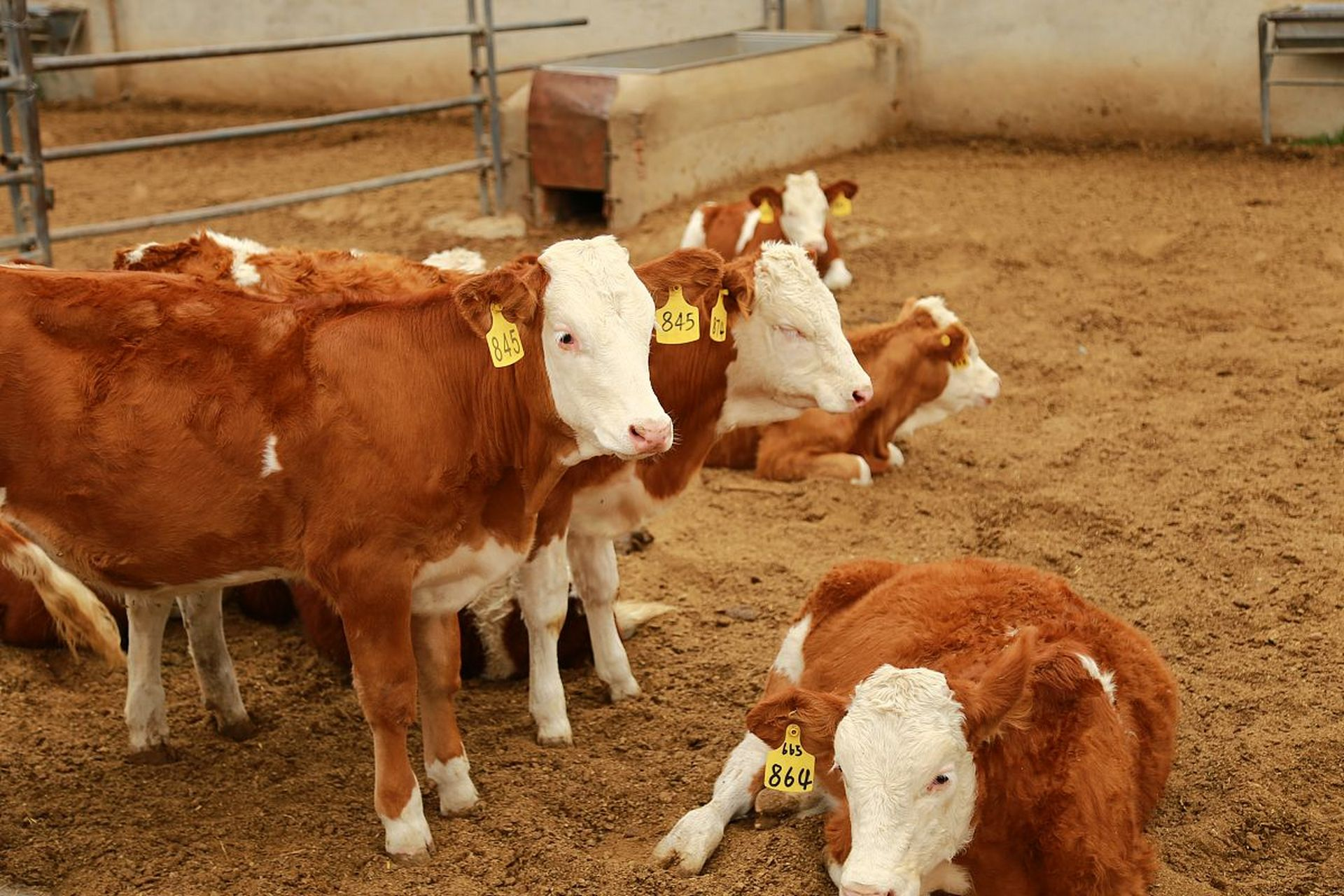
Cattle have never been more expensive to buy, and margins have never been thinner. Feedlot breakevens in North America are surging toward $250 per head in 2026, and global beef production is projected to fall another 4% or more per year through 2027. In this environment, an underperforming herd is no longer merely unprofitable — it is financially dangerous. Yet where beef cattle growth performance lags and losses climb, the cause is rarely genetics. It is a gap in the three pillars that determine every pound of gain: housing, feeding, and disease prevention. Here is what a complete, field-ready program looks like — and how Vibov natural nutrition fits into each pillar.
First, Quantify What "Poor Growth and High Losses" Actually Costs
Before fixing anything, producers need to measure it. The damage arrives through several channels, each larger than most operators assume:
- Dead and condemned animals — a 1–2% mortality rate is considered normal in feedlots; anything above destroys profit directly. One extra percentage point of mortality on 1,000 head can erase the season's return.
- Respiratory disease — bovine respiratory disease (BRD) imposes annual losses exceeding $2 billion globally through reduced feed efficiency, lower carcass yield, treatment costs, and mortality. BRD accounts for roughly 23.9% of cattle deaths, and clinical BRD has been shown to cut net returns by $214 per steer — rising to $385 in animals treated three or more times.
- Rumen dysfunction — subacute rumen acidosis (SARA) is the invisible leak in most feedlot budgets: intake fluctuates, feed conversion worsens, liver abscesses form, and days on feed stretch out.
- Wasted days on feed — every day an animal misses target average daily gain (ADG) is a day it consumes maintenance feed without producing saleable weight.
Once these costs are quantified, the logic of integrated management becomes obvious: the three pillars compound. Poor ventilation increases respiratory disease, respiratory disease suppresses intake, suppressed intake destabilizes the rumen, and unstable rumens produce poor growth. Break any one link and the entire chain improves.
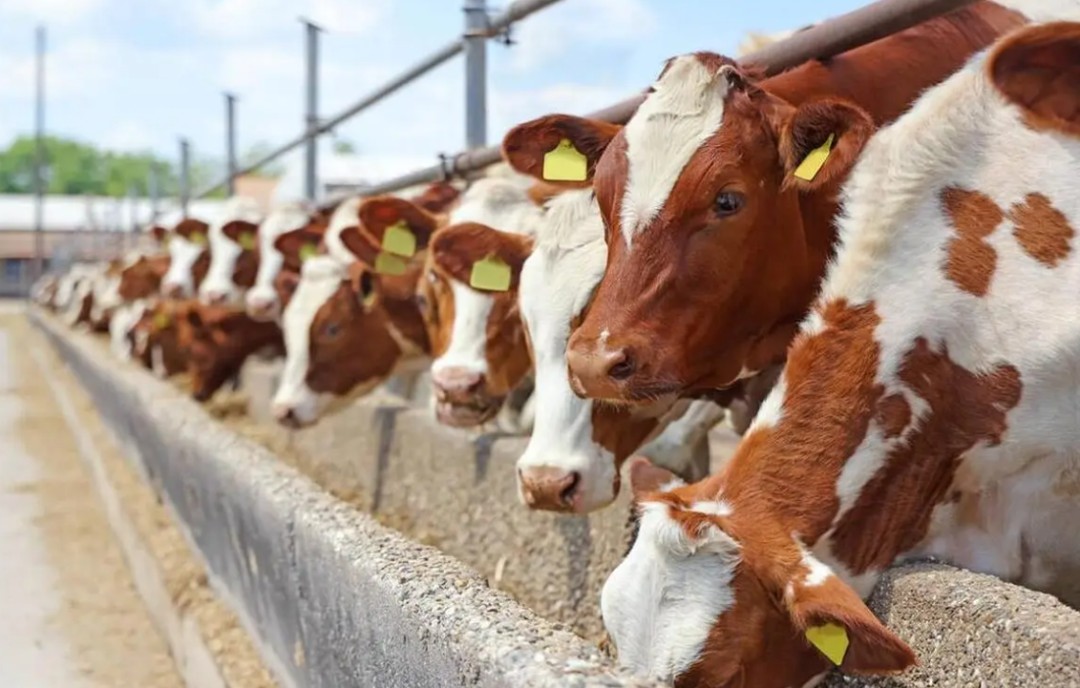
Pillar One: Housing and Environment — Where Performance Begins
Beef cattle housing is often treated as an afterthought, particularly in extensive systems. It should not be. Environmental quality determines how much energy an animal spends coping with its surroundings instead of converting feed into meat.
Ventilation and Air Quality
Effective cattle barn ventilation removes moisture, ammonia, and airborne pathogens while avoiding drafts on smaller animals. Natural ventilation depends on ridge outlets sized to stocking density, animal weight, and building volume; where wind-driven airflow is insufficient, the stack effect must carry the load. In warmer regions, mechanical or tunnel ventilation is the difference between a functioning and a failing operation — heat stress in cattle begins at approximately 25°C, well below what most producers assume.
Stocking Density and Rest Comfort
Stocking density drives nearly every welfare and performance outcome in confined housing. Overstocked pens reduce access to feed and water, increase competition, raise humidity and pathogen loads, and cut lying time. Adequate lying space is not a luxury — rumination and rumen health depend on animals resting undisturbed. Provide sufficient pen space per head based on body weight and climate, maintain dry lying surfaces, and ensure drainage prevents standing in mud — a persistent and badly underestimated cause of poor growth.
Shade, Water, and Handling Facilities
Access to cool, clean drinking water is arguably the single most important nutrient in the system: water intake can increase substantially during heat events, and restricted access reduces intake, rumen function, and gain within days. Handling facilities designed to minimize stress and bruising protect both carcass value and immune function.
Pillar Two: Feeding and Nutrition — Where Efficiency Is Won or Lost
Feed represents the largest single cost in beef production. That makes cattle feeding program design the highest-leverage area of management on nearly every farm.
Ration Balance, Not Just Volume
Balanced rations increase average daily gain and reduce feed cost per pound of gain. Formulating for adequate metabolizable protein and energy, correct mineral levels, and appropriate fiber content protects rumen function while supporting growth. Regular forage analysis is the foundation — guessing nutrient content is one of the most common and costly mistakes in beef cattle nutrition.
Preventing Rumen Acidosis
High-concentrate diets are essential to modern beef production, but they are also the primary trigger for rumen acidosis. Nutritional strategies for prevention are well established and consistently effective:
- Bunk management — the single most important control point. Consistent feeding times, appropriate feed delivery to keep bunks clean but never empty, and reading the bunk at every feeding to adjust the next day's delivery
- Gradual adaptation — step-up programs that let the rumen microbial population adapt to higher energy levels over weeks, not days
- Proper forage-to-concentrate ratio — maintaining adequate effective fiber to sustain chewing, saliva production, and buffering capacity
- Consistent ration mixing — properly formulated and mixed total mixed rations (TMR) prevent sorting and the intake swings that precipitate acidosis events
- Targeted feed additives — yeast and bacterial cultures, buffers, and natural bioactive compounds that support rumen microbial stabilization
Feed Additives: Small Inclusion, Large Impact
Research on natural feed additives for beef cattle consistently shows improvements in growth performance, feed efficiency, and immune response — with benefits most pronounced under stress and disease challenge. Phytogenic compounds including essential oils, turmeric-derived curcumin, black cumin, rosemary, and propolis have shown positive effects on rumen fermentation, nutrient digestibility, and immunity, offering a scientifically grounded path for producers reducing antibiotic reliance without sacrificing performance.
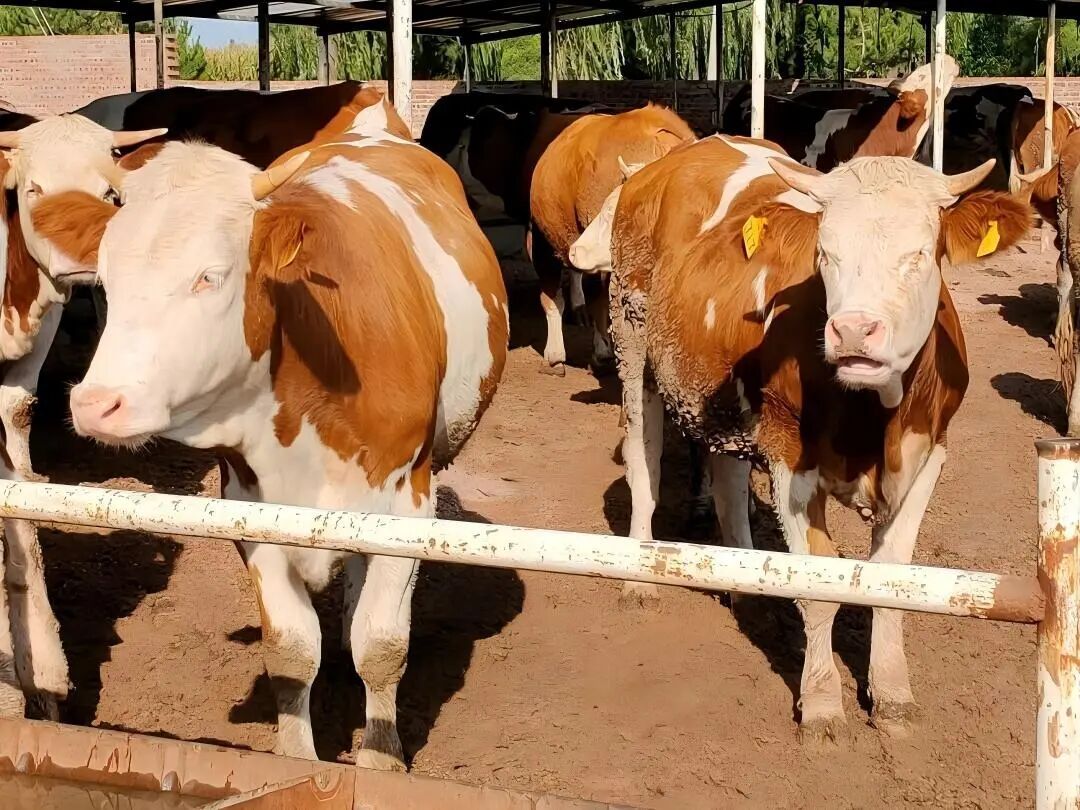
Pillar Three: Disease Prevention — Protecting the Investment
Once cattle are sick, treatment costs money and performance never fully returns. Prevention is the only economically rational strategy.
Vaccination Programs Aligned with Risk
Vaccination is a key strategy for mitigating bovine respiratory disease. Research consistently shows pre-feedlot respiratory vaccination improves cattle health and growth outcomes, and that timing matters as much as product choice. Programs should target each operation's specific pathogen risks — viral and bacterial respiratory pathogens, clostridial diseases, and local epidemiology — and be completed well before high-stress events such as transport, commingling, and weaning.
Receiving Protocols, Biosecurity, and Parasite Control
Newly arrived cattle are the highest-risk group on any farm. A structured receiving protocol — controlled intake, low-stress processing, identification, early respiratory monitoring, and a consistent transition onto the growing ration — dramatically reduces morbidity and mortality. Equally important: vehicle and visitor control, quarantine of arrivals, equipment sanitation, and rodent and insect management reduce pathogen introduction, while regular internal and external parasite control protects feed efficiency and immune capacity.
Monitoring: The Early Warning System
Record-keeping turns management from reactive to proactive. Track daily feed intake, water consumption, morbidity and mortality, treatment rates, weight gain, and feed conversion ratio (FCR). A drop in intake often precedes clinical disease by days — that window is where early intervention saves money.
Where Vibov Fits: Nutrition That Supports All Three Pillars
Management creates the environment for performance; nutrition determines how much of that potential the animal can express. Vibov develops natural feed additives for beef cattle designed to reinforce each pillar of integrated herd management.
Rumen Support and Acidosis Control
Vibov's rumen health formulation for cattle combines buffering support and bioactive plant compounds that help stabilize rumen pH during high-grain feeding, supporting the microbial population's adaptation to energy-dense rations. The result is more consistent feed intake, reduced incidence of subacute acidosis, better fiber digestion, and improved feed conversion efficiency — measurable improvements in the cost of every pound of gain.
Immune Resilience and Respiratory Protection
Vibov's cattle immune support additive delivers polyphenols, flavonoids, and antioxidant compounds that strengthen both innate and adaptive immunity. By helping cattle mount stronger responses to vaccination and resist respiratory challenges during receiving, transport, and weather transitions, Vibov supports lower morbidity, fewer treatments, and reduced mortality across the feeding period.
Growth Performance and Feed Efficiency
Field results with natural growth-promoting feed additives consistently show improvements in average daily gain and feed conversion ratio, with the largest benefits observed in stressed or challenged cattle. Vibov's formulations target the metabolic bottlenecks that limit gain — oxidative stress, gut barrier compromise, and nutrient loss — to help animals reach target market weight on fewer days and fewer pounds of feed.
Mycotoxin and Gut Barrier Management
Harvest-season grains carry elevated mycotoxin risk, and mycotoxins damage gut integrity, suppress intake, and impair immunity. Vibov's programs include mycotoxin management support and gut barrier protection to reduce hidden losses that never appear as a diagnosis but always appear in the feed bill.
Antibiotic-Free and Residue-Free
All Vibov beef cattle products are 100% natural, antibiotic-free, and residue-free, with no withdrawal periods. For producers supplying premium beef markets, export channels, and branded programs demanding antibiotic-free beef production, Vibov provides a fully compliant nutritional platform — from large feedlots in the United States, Canada, and Australia to intensive operations in Brazil, Argentina, and Mexico, and beef enterprises across South Africa, Kenya, Nigeria, Ethiopia, and South Asia.
Complete Management, Complete Results
Poor growth and high losses are rarely caused by one dramatic failure. They accumulate from a hundred small inefficiencies — a pen that runs hot, a ration that drifts, a vaccination completed a week late, an intake drop nobody noticed. The producers who stabilize performance manage housing, feeding, and disease prevention as an integrated system, measure what matters, and adjust before problems become expensive.
Vibov partners with cattle producers, feed mills, and veterinarians worldwide to deliver science-backed natural nutrition for beef cattle — supporting rumen health, immune resilience, and growth efficiency at every stage.
Contact Vibov today to build a complete housing–feeding–disease-prevention program with nutrition that performs. Protect your margins, reduce your losses, and get every animal to market on time.