
------News Center
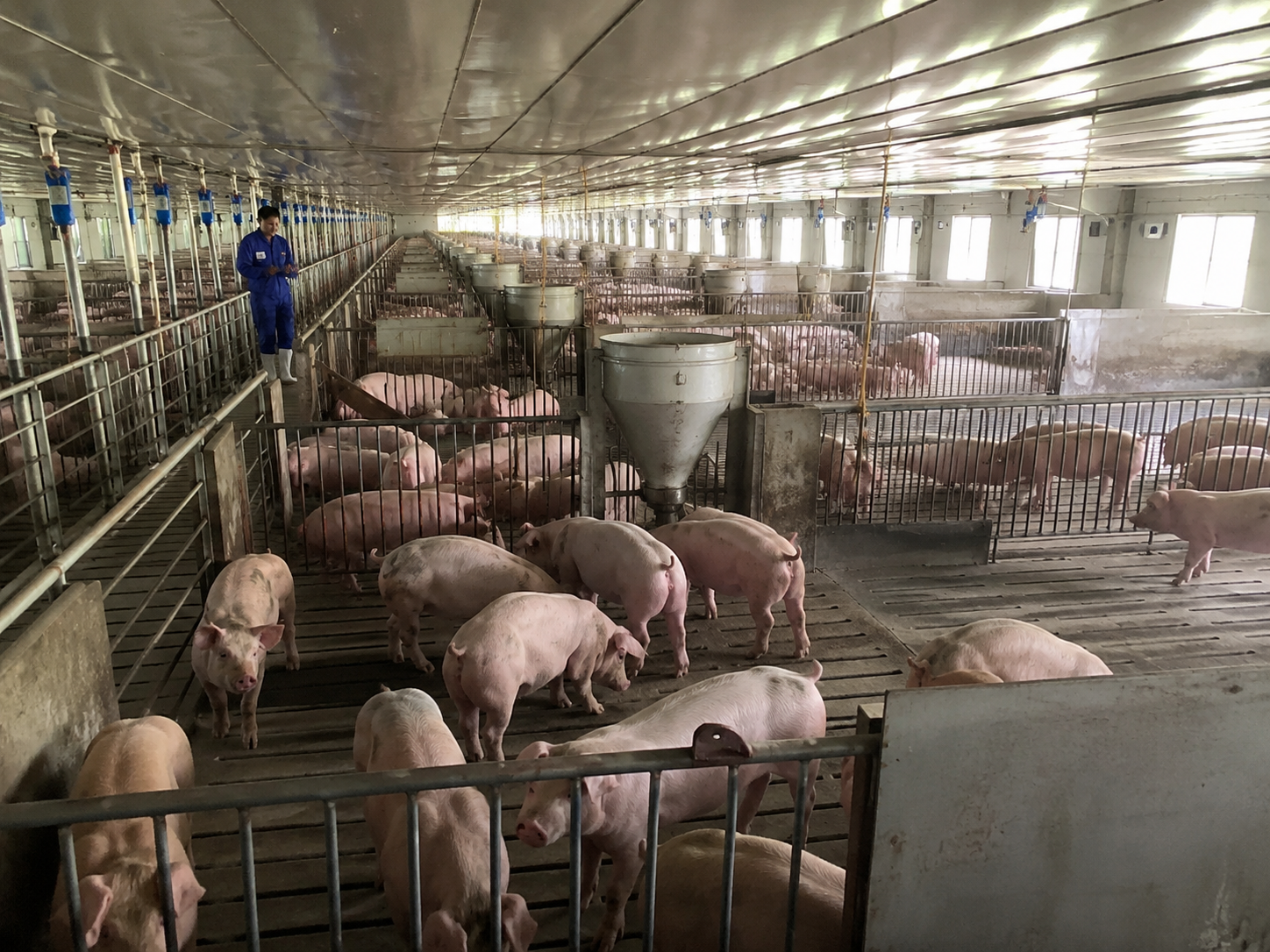
Porcine Epidemic Diarrhea (PED), caused by Porcine Epidemic Diarrhea Virus (PEDV), remains one of the most economically significant enteric diseases in the global swine industry. Neonatal piglet diarrhea, dehydration, and high mortality continue to challenge both intensive and small-to-medium pig farms across Asia, Europe, Africa, and the Americas.
In modern swine production, one of the most critical control strategies is the effective management of maternal antibodies. Proper utilization of sow immunity not only reduces piglet mortality but also improves overall herd stability and production efficiency. This article provides a comprehensive overview of high-level strategies for managing PEDV maternal antibodies, while highlighting how Vibov animal health solutions can support immunity, gut health, and farm productivity.
Understanding PEDV and Its Economic Impact
Porcine Epidemic Diarrhea Virus (PEDV) is an Alphacoronavirus that primarily targets the small intestine of pigs, causing severe villous atrophy and malabsorption. The most vulnerable group is neonatal piglets, especially those under 7 days of age.
Clinical signs include acute watery diarrhea, vomiting, dehydration, weight loss, and high mortality rates that can reach up to 100% in naïve herds. Beyond direct piglet losses, PEDV also disrupts production cycles, reduces sow performance, and increases veterinary costs.
The economic impact is particularly severe in large-scale operations where rapid virus spread can affect entire farrowing units within days. As a result, prevention strategies focusing on maternal immunity have become the cornerstone of modern PEDV control programs.
The Role of Maternal Antibodies in PEDV Protection
Maternal antibodies are the first line of defense for newborn piglets. Since piglets are born with an immature immune system, they rely heavily on colostrum from sows to acquire passive immunity.
When sows are properly immunized or exposed to PEDV in a controlled environment, they produce high levels of specific antibodies, particularly IgA and IgG, which are transferred to piglets through colostrum and milk.
These maternal antibodies provide temporary protection during the critical early life stage when piglets are most susceptible to infection. However, the effectiveness of this protection depends on several key factors, including antibody levels in sows, colostrum intake, timing of exposure, and overall sow health.
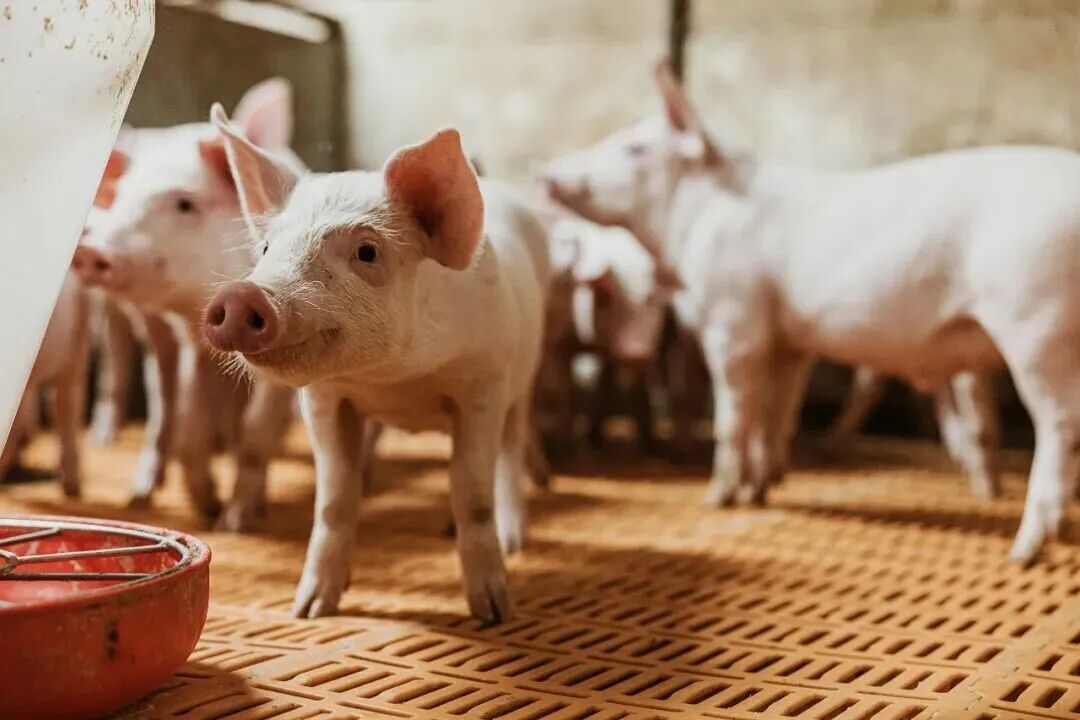
High-Level Maternal Antibody Management Strategy
Effective control of PEDV using maternal immunity requires a systematic and scientifically managed approach rather than random exposure or inconsistent vaccination practices.
1. Optimizing Sow Immunity Through Strategic Immunization
A well-designed vaccination program for breeding sows is the foundation of maternal antibody protection. The goal is to stimulate a strong and stable immune response before farrowing, ensuring high antibody levels in colostrum.
Inactivated and attenuated PEDV vaccines are commonly used depending on regional regulations and farm conditions. Proper timing of vaccination is critical, typically during mid-gestation, to maximize antibody transfer without interfering with reproductive performance.
In high-risk farms, booster immunization strategies may be applied to maintain consistent immunity levels across multiple parity groups.
2. Enhancing Colostrum Quality and Intake
Even with high antibody levels in sows, protection is ineffective if piglets fail to consume sufficient colostrum. Therefore, colostrum management is a critical component of maternal immunity strategies.
Key practices include ensuring early access to colostrum immediately after birth, cross-fostering management to balance litter size, and maintaining sow comfort to support lactation performance.
High-quality colostrum not only provides antibodies but also delivers essential nutrients, growth factors, and immune-modulating components that improve piglet survival and intestinal development.
3. Reducing Viral Load Pressure in Farrowing Units
Maternal antibodies can only provide partial protection when environmental viral pressure is high. Therefore, strict biosecurity and sanitation protocols are essential.
Effective measures include thorough cleaning and disinfection between batches, all-in/all-out production systems, controlled farm entry procedures, and proper manure management.
Reducing environmental contamination significantly enhances the effectiveness of maternal antibody protection and reduces the risk of early infection in newborn piglets.
4. Strengthening Gut Health to Support Immunity
The intestinal tract plays a central role in PEDV infection. Even piglets with maternal antibodies may experience subclinical infection if gut health is compromised.
A stable intestinal environment improves nutrient absorption and supports immune system development. Functional feed additives, probiotics, organic acids, and toxin binders are widely used to improve gut integrity and reduce pathogen colonization.
This is where integrated nutritional solutions play an increasingly important role in modern swine health management.
The Role of Nutrition in Enhancing Maternal Immunity
Recent research highlights that sow nutrition directly affects colostrum quality, antibody concentration, and milk production. Deficiencies in amino acids, vitamins, and trace minerals can significantly reduce immune transfer efficiency.
A balanced nutritional program ensures optimal immune function during gestation and lactation periods. Functional feed additives can further enhance antioxidant capacity, reduce oxidative stress, and improve reproductive performance.
For piglets, early-life nutritional support is equally important. Strengthening intestinal development and immune resilience helps reduce the severity of PEDV infection even when exposure occurs.
How Vibov Supports PEDV Control Through Integrated Solutions
As a professional exporter specializing in veterinary medicines, feed additives, and premixes, Vibov provides integrated animal health solutions designed to improve swine productivity and disease resistance.
In the context of Porcine Epidemic Diarrhea Virus (PEDV) management, Vibov focuses on strengthening both sow immunity and piglet gut health through scientifically formulated products.
Our swine feed additives are designed to improve nutrient absorption, enhance immune response, and stabilize intestinal microflora. By optimizing gut health, pigs are better able to resist viral challenges and recover faster during infection periods.
Our vitamin-mineral premixes support reproductive performance and colostrum quality in sows, ensuring higher antibody transfer efficiency to piglets. This is essential for maintaining strong passive immunity during the critical early life stage.
In addition, Vibov veterinary solutions help reduce stress-related immune suppression, improve feed efficiency, and enhance overall herd stability. These combined effects are particularly valuable in high-density production systems where PEDV pressure is consistently high.
Integrated Control Strategy: Beyond Vaccination Alone
Modern PEDV control is no longer based solely on vaccination. Instead, successful farms adopt a multi-layered strategy combining:
- Sow immunization programs
- Colostrum management optimization
- Strict biosecurity protocols
- Environmental sanitation control
- Functional nutrition support
This integrated approach ensures that maternal antibodies are not only produced at high levels but also effectively transferred and utilized by piglets.
Farms that implement this strategy consistently report lower piglet mortality, improved weaning weights, and more stable production performance.
Future Direction of PEDV Control in Pig Farming
The swine industry is gradually shifting toward precision livestock farming, where disease prevention is managed through data-driven nutrition, immune monitoring, and environmental control.
Maternal antibody management will continue to play a central role in PEDV prevention. However, its effectiveness will increasingly depend on how well it is integrated with nutrition, genetics, and farm management systems.
Companies that provide holistic animal health solutions, such as Vibov, are becoming key partners in helping producers achieve sustainable production efficiency.

Conclusion
Effective management of Porcine Epidemic Diarrhea Virus (PEDV) relies heavily on optimizing maternal antibody transfer from sow to piglet. Through strategic immunization, improved colostrum management, enhanced biosecurity, and targeted nutritional support, pig producers can significantly reduce the impact of PEDV on herd performance.
As a trusted global supplier of veterinary medicines, swine feed additives, and premix solutions, Vibov is committed to supporting farmers with advanced, science-based solutions that enhance immunity, improve gut health, and increase production efficiency.
By integrating maternal antibody management with modern nutritional strategies, the swine industry can move toward more resilient, productive, and sustainable farming systems.